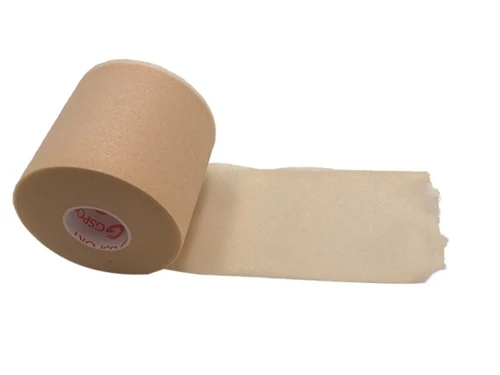
Compression bandages are a cornerstone in modern medical care, widely used for managing swelling, improving circulation, and aiding recovery from injuries or surgeries. Over the years, the design of compression bandages has evolved, with multi-layer systems becoming increasingly popular. Among these, 2-layer and 3-layer compression bandages are two of the most commonly used options. While both serve similar purposes, they differ significantly in terms of structure, functionality, and application. This article delves into the key differences between 2-layer and 3-layer compression bandages, helping you understand which option might be best suited for your needs.
Understanding the Basics: What Are 2-Layer and 3-Layer
Compression Bandages?
Before diving into the comparison, it's essential to understand the basic structure of each type of bandage.

A 2-layer compression bandage consists of two distinct layers:
Layer 1: PU Foam Bandage
This layer is made of polyurethane (PU) foam, which provides cushioning and protection to the skin.
It helps distribute pressure evenly and prevents friction, reducing the risk of skin irritation or damage.
Layer 2: Cohesive Bandage
The cohesive bandage is self-adhesive, meaning it sticks to itself but not to the skin or hair.
It provides secure compression and ensures the bandage stays in place without the need for additional clips or tape.
A 3-layer compression bandage, on the other hand, features a more complex structure:
Layer 1: Padding
The padding layer is typically made of soft, non-woven material that protects the skin and enhances comfort.
It also helps absorb moisture and reduce the risk of skin breakdown.
Layer 2: Conforming
The conforming layer is designed to adapt to the shape of the limb, ensuring even pressure distribution.
It is usually made of stretchable material that provides flexibility while maintaining compression.
Layer 3: Cohesive Bandage
Similar to the 2-layer system, the cohesive bandage in the 3-layer system provides secure adhesion and long-lasting compression.

Key Differences Between 2-Layer and 3-Layer Compression
Bandages
While both types of bandages aim to provide effective compression, they differ in several key areas:
1. Structure and Design
- 2-Layer Bandage: Simpler in design, with only two layers. The PU foam layer provides cushioning, while the cohesive layer ensures compression and adhesion.
- 3-Layer Bandage: More complex, with an additional conforming layer that enhances pressure distribution and adaptability.
2. Pressure Distribution
- 2-Layer Bandage: The PU foam layer helps distribute pressure, but the absence of a conforming layer may result in less precise pressure application.
- 3-Layer Bandage: The conforming layer ensures more even and consistent pressure distribution, making it ideal for areas with irregular shapes or contours.
3. Comfort and Protection
- 2-Layer Bandage: The PU foam layer offers good cushioning, but the overall protection may be less compared to the 3-layer system.
- 3-Layer Bandage: The additional padding layer provides superior comfort and protection, reducing the risk of skin irritation or breakdown.
4. Ease of Application
- 2-Layer Bandage: Easier and quicker to apply due to its simpler design.
- 3-Layer Bandage: Slightly more complex to apply, but the conforming layer ensures a better fit and more effective compression.
5. Durability and Longevity
- 2-Layer Bandage: Generally durable, but the PU foam may lose its cushioning properties over time with repeated use.
- 3-Layer Bandage: More durable overall, with each layer designed to maintain its functionality over extended periods.
Advantages of 2-Layer Compression Bandages
1. Simplicity: The 2-layer design makes it easy to apply, even for individuals without medical training.
2. Cost-Effective: Typically more affordable than 3-layer bandages, making it a budget-friendly option.
3. Lightweight: The absence of an additional layer makes it lighter and less bulky.
4. Quick Application: Ideal for situations where time is of the essence, such as in emergency settings.
Advantages of 3-Layer Compression Bandages
1. Superior Pressure Distribution: The conforming layer ensures even and consistent compression, making it more effective for complex wounds or irregular limb shapes.
2. Enhanced Comfort: The additional padding layer provides better cushioning and protection, reducing the risk of skin irritation.
3. Versatility: Suitable for a wider range of applications, including post-surgical recovery, chronic venous insufficiency, and severe edema.
4. Durability: Designed to maintain its effectiveness over longer periods, reducing the need for frequent replacements.
When to Choose a 2-Layer Compression Bandage
- Mild to Moderate Conditions: Ideal for managing minor swelling, sprains, or strains.
- Short-Term Use: Suitable for temporary compression needs, such as post-injury recovery.
- Budget Constraints: A cost-effective option for those who need compression therapy but are on a tight budget.
When to Choose a 3-Layer Compression Bandage
- Complex or Severe Conditions: Best for managing chronic venous insufficiency, severe edema, or post-surgical recovery.
- Long-Term Use: Designed for extended wear, making it ideal for ongoing treatment.
- Enhanced Comfort Needed: Perfect for individuals with sensitive skin or those who require additional cushioning.
Real-World Applications
2-Layer Compression Bandage in Action
- Sports Injuries: Athletes often use 2-layer bandages for quick compression after sprains or strains.
- First Aid: Its simplicity makes it a popular choice for emergency first aid kits.
3-Layer Compression Bandage in Action
- Post-Surgical Care: Hospitals and clinics frequently use 3-layer bandages for post-operative compression therapy.
- Chronic Conditions: Patients with chronic venous insufficiency or lymphedema benefit from the superior pressure distribution and comfort.
Maintenance and Care
2-Layer Bandage
- Hand wash with mild detergent and air dry to maintain the integrity of the PU foam.
- Avoid excessive stretching to preserve compression effectiveness.
3-Layer Bandage
- Follow the manufacturer's instructions for washing and drying each layer separately.
- Store in a cool, dry place to prevent degradation of materials.
Conclusion
The choice between a 2-layer and 3-layer compression bandage ultimately depends on your specific needs. If you're looking for a simple, cost-effective solution for mild to moderate conditions, a 2-layer bandage may suffice. However, if you require superior pressure distribution, enhanced comfort, and long-term durability, a 3-layer bandage is the better option.
Both types of bandages have their unique advantages, and understanding these differences can help you make an informed decision. Whether you're an athlete, a patient, or a healthcare professional, choosing the right compression bandage can significantly impact your recovery and overall well-being.
By investing in the right product, you're not just buying a bandage-you're investing in your health and quality of life.