Compression therapy plays a critical role in the management of venous disease, edema, and related circulatory conditions. For decades, clinicians have relied on compression bandage systems to improve venous return, reduce swelling, and support healing. However, not all compression bandages are created equal. Differences in structure, materials, and design philosophy can significantly affect clinical outcomes and user comfort.
Among modern solutions, the GSP compression bandage system stands out for its three-layer construction and long-term development within the medical industry. Designed specifically to deliver light compression for venous disease and associated edema, it represents a more integrated approach when compared with many traditional or single-layer products from other brands. This article explores how GSP compression bandage compares with other commonly used compression bandages, and why its layered design offers measurable advantages.
Understanding Compression Bandages and Their Role in Therapy
A compression bandage is a medical wrap designed to apply controlled pressure to a limb or body area. Its primary purpose is to improve blood circulation, limit fluid accumulation, and support tissues during healing. Compression bandages are widely used in the management of venous insufficiency, post-surgical edema, lymphedema, and minor soft tissue injuries.
Traditional compression bandages often consist of a single elastic layer or a short-stretch wrap. These products rely heavily on the skill of the applier to achieve the correct pressure. Inconsistent application can lead to uneven compression, discomfort, or reduced therapeutic benefit.
Modern compression therapy increasingly favors multi-layer systems, which allow pressure to be distributed more evenly while improving stability and patient comfort.
The GSP Compression Bandage System: A Three-Layer Design
The GSP compression bandage system is structured into three functional layers:
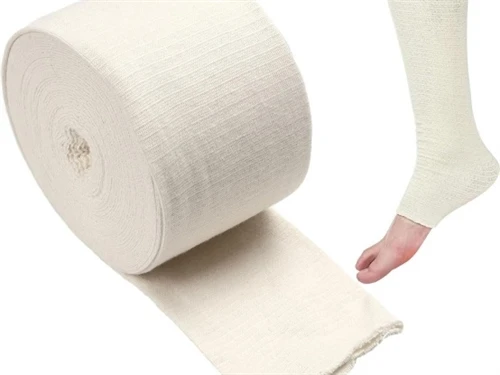
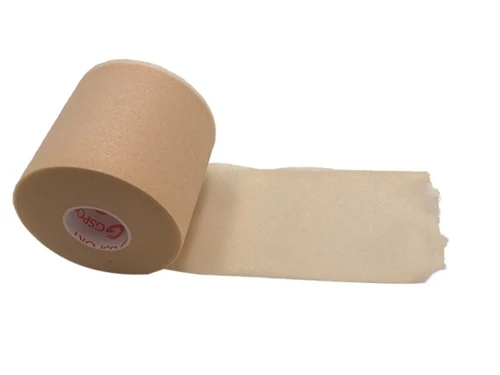
Layer 1: Padding
Layer 2: Conforming
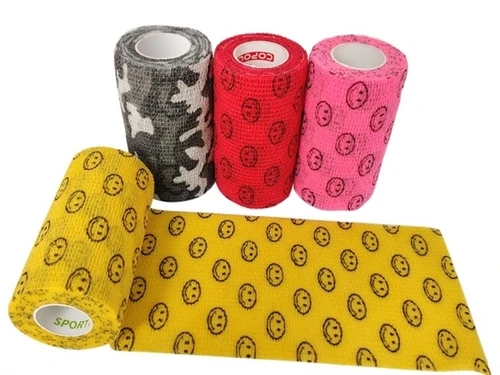
Layer 3: Cohesive bandage
This design reflects years of development in the medical industry by GSPMED, which has evolved its compression products into a complete packaged solution for pressure treatment.
The padding layer protects the skin and helps distribute pressure evenly, preventing localized pressure points. The conforming layer adapts closely to the shape of the limb, ensuring consistent compression across irregular contours. The cohesive bandage layer provides secure fixation without slipping, allowing the system to remain stable during movement.
Together, these layers create a balanced compression environment that is difficult to achieve with single-layer bandages alone.

GSP Compression Bandage vs Traditional Elastic Bandages
Many widely used brands offer single-layer elastic compression bandages, such as standard elastic wraps commonly found in first aid kits or general hospital use. These bandages can provide compression, but they often lack structural consistency.
With single-layer elastic bandages, compression levels depend heavily on how tightly the bandage is pulled. This introduces variability from one user to another. Excessive tension may cause discomfort or impaired circulation, while insufficient tension may fail to reduce edema effectively.
By contrast, the GSP compression bandage system uses its layered structure to guide compression more predictably. The padding layer cushions the limb, while the conforming layer shapes the wrap evenly. The cohesive bandage layer locks the system in place without relying on excessive tightness.
This structured approach reduces the risk of pressure peaks and enhances patient comfort over extended wear.
GSP Compression Bandage vs Short-Stretch Bandages (e.g., Rosidal, Comprilan)
Short-stretch compression bandages such as Rosidal or Comprilan are commonly used in venous and lymphatic therapy. These products are known for providing high working pressure during movement and low resting pressure.
While short-stretch bandages are effective in skilled clinical hands, they require proper training to apply correctly. Incorrect application can lead to uneven compression or slipping. Additionally, short-stretch bandages often require frequent rewrapping as limb volume changes.
The GSP compression bandage system simplifies this process. The padding and conforming layers adapt more naturally to limb shape and volume fluctuations. The cohesive outer layer prevents slippage without the need for additional fixation.
For long-term management of venous disease and associated edema, this layered design offers improved consistency with less reliance on advanced wrapping technique.
GSP Compression Bandage vs Two-Layer Systems (e.g., Coban 2, UrgoK2)
Two-layer compression systems such as Coban 2 or UrgoK2 have become popular in clinical settings due to their ease of use and standardized compression. These systems typically combine a comfort layer with a cohesive compression layer.
While two-layer systems provide reliable compression, they may lack the fine-tuned pressure distribution achieved by three-layer designs. In many cases, padding and shaping functions are combined into one layer, which can limit adaptability for patients with irregular limb contours or sensitive skin.
The GSP compression bandage system separates these functions clearly:
Padding protects the skin and redistributes pressure
Conforming ensures anatomical fit
Cohesive bandage secures the system
This separation allows more precise control over both comfort and compression performance, especially in patients with fragile skin or chronic swelling.

Clinical Indications and Therapeutic Focus
GSP compression bandage is specifically indicated to deliver light compression for managing venous disease and associated edema. Light compression is particularly suitable for early-stage venous insufficiency, mild to moderate swelling, and patients who cannot tolerate stronger compression systems.
Other brands often focus on moderate to high compression ranges, which may not be appropriate for all patient groups. In contrast, GSP compression bandage addresses a clinically important category of patients who need therapeutic pressure without excessive force.
This makes it suitable for elderly patients, individuals with fragile skin, or those beginning compression therapy for the first time.
Comfort and Skin Protection
One of the most overlooked aspects of compression therapy is skin protection. Prolonged compression can lead to irritation, dryness, or pressure injury if not properly managed.
GSP compression bandage's padding layer plays a critical role in preventing direct friction between compression layers and the skin. The conforming layer further reduces shear forces by adapting smoothly to body contours. The cohesive outer layer eliminates the need for clips or adhesives that could irritate the skin.
Compared with many other brands that rely on direct skin contact with compression material, the GSP system offers a gentler and more protective solution.
Stability and Wear Time
Slippage is a common problem with traditional compression bandages. Once the bandage loosens, compression levels drop and therapeutic benefits decline.
The cohesive bandage layer in the GSP compression bandage system bonds to itself without sticking to skin. This keeps the system stable during walking, standing, and daily movement. In comparison, elastic or short-stretch bandages may loosen more quickly and require reapplication.
Longer wear time means better compliance, which is a critical factor in successful compression therapy.
GSP Compression Bandage as a Packaged Solution
Years of development in the medical industry have allowed GSPMED to develop compression bandages into a structured product series rather than isolated components. This packaged approach simplifies product selection and application, particularly for clinics managing large numbers of patients.
Other brands often sell individual layers separately, requiring practitioners to assemble systems manually. While this offers flexibility, it also increases the chance of mismatched materials or inconsistent pressure results.
The GSP compression bandage system standardizes the therapy process, supporting consistent clinical practice and predictable outcomes.
Why GSP Compression Bandage Stands Apart
When compared with traditional elastic bandages, short-stretch wraps, and two-layer compression systems, GSP compression bandage offers several clear advantages:
A structured three-layer design for better pressure distribution
Dedicated padding for skin protection
Conforming layer for anatomical fit
Cohesive layer for secure fixation
Designed specifically for light compression therapy
Reduced dependence on wrapping skill
Improved comfort and wear stability
These features make it particularly well suited for managing venous disease and associated edema in a wide range of patients.
Conclusion
Compression therapy is most effective when pressure is delivered accurately, comfortably, and consistently. While many compression bandages on the market can provide therapeutic benefits, differences in design strongly influence clinical success.
The GSP compression bandage system represents a more advanced and patient-focused approach when compared with many other brands. Its three-layer structure addresses both mechanical performance and skin health, offering a balanced solution for light compression therapy.
For healthcare providers seeking a reliable and standardized compression bandage, and for patients requiring gentle yet effective edema management, GSP compression bandage stands as a compelling alternative to traditional and competing systems. It reflects not only product innovation, but also years of development rooted in real clinical needs.