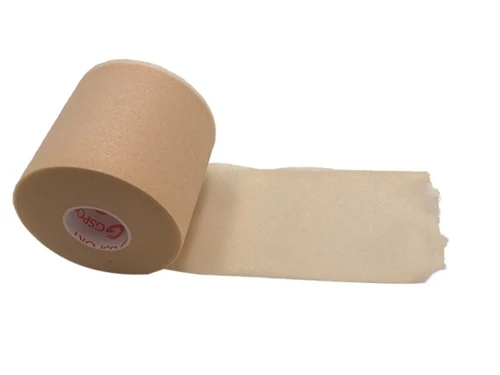
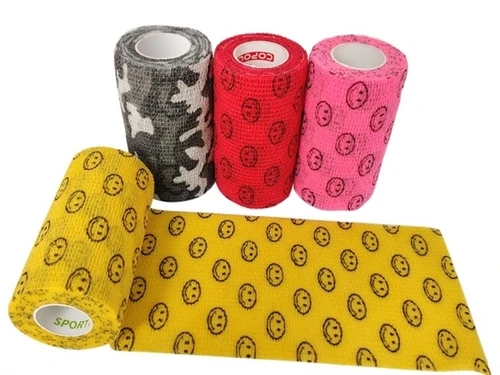
In the field of medical bandages, two standout options-biodegradable cohesive bandages and PBT bandages-are often used for wound care, support, and compression. While both serve similar purposes, they are designed with distinct features, materials, and applications. Understanding these differences can help healthcare providers, athletes, and environmentally conscious individuals choose the most suitable option for their needs.
This article delves into the characteristics of biodegradable cohesive bandages and PBT bandages, highlighting their materials, functionality, advantages, and ideal use cases.
Overview of Biodegradable Cohesive Bandages
Biodegradable cohesive bandages are an eco-friendly alternative to traditional cohesive wraps.
Materials:
These bandages are made from fully biodegradable materials, primarily regenerated cellulose, which is derived from natural sources like wood pulp or cotton.
Environmental Impact:
Designed to decompose in composting environments, biodegradable cohesive bandages achieve 93% degradation within 180 days, leaving no harmful residues.
Cohesive Functionality:
These bandages stick to themselves without adhesives, providing secure application without damaging the skin or requiring additional fastening tools.

Applications:
Commonly used in medical, athletic, and veterinary settings, these bandages offer reliable support while reducing waste.
Overview of PBT Bandages
PBT bandages, also known as polyester bandages, are a common choice for lightweight and breathable wound care.

Materials:
PBT bandages are made from a combination of polyester fibers and other synthetic materials. This composition ensures durability and elasticity.
Stretchability:
The fabric's inherent stretch makes PBT bandages ideal for conforming to different body parts, including joints and muscles.
Lightweight and Breathable:
Their thin and airy texture enhances comfort and reduces the risk of irritation, even during prolonged use.
Applications:
PBT bandages are commonly used to secure dressings, provide mild compression, and support injuries in both medical and athletic settings.
Comparison: Biodegradable Cohesive Bandage vs. PBT Bandage
1. Materials and Environmental Impact
Biodegradable Cohesive Bandage:
Made entirely from biodegradable components, these bandages are a sustainable choice. Their eco-friendly composition makes them ideal for individuals and organizations seeking to reduce medical waste.
PBT Bandage:
Composed of synthetic polyester fibers, PBT bandages are durable but non-biodegradable. They contribute to the growing issue of plastic waste and take significantly longer to decompose.
2. Adhesion and Application
Biodegradable Cohesive Bandage:
The cohesive design ensures that the bandage sticks to itself rather than to the skin, making it easy to apply and remove without causing discomfort. This feature eliminates the need for additional adhesives or clips.
PBT Bandage:
PBT bandages do not have a self-adhesive property. They require clips, tape, or other securing mechanisms to stay in place, which can complicate application and increase the risk of skin irritation.
3. Stretchability and Comfort
Biodegradable Cohesive Bandage:
While flexible, these bandages are not as stretchy as PBT bandages. They are more suited for compression and support rather than adapting to highly dynamic movements.
PBT Bandage:
Known for their excellent stretchability, PBT bandages conform easily to joints and other curved areas of the body. This makes them a preferred choice for injuries requiring high mobility, such as elbows or knees.
4. Durability and Performance
Biodegradable Cohesive Bandage:
Designed to be robust during use, these bandages maintain their structure and support but are intended for short-term applications to align with their biodegradable nature.
PBT Bandage:
With synthetic fibers, PBT bandages are highly durable and can withstand prolonged use. However, their non-biodegradable nature raises concerns about long-term environmental impact.
5. Cost
Biodegradable Cohesive Bandage:
Due to the use of sustainable materials and specialized manufacturing processes, these bandages may have a higher initial cost. However, their eco-friendly benefits often outweigh the expense for environmentally conscious users.
PBT Bandage:
Typically more affordable, PBT bandages are mass-produced using cost-effective synthetic materials, making them widely accessible.
Use Cases for Each Bandage
Biodegradable Cohesive Bandage
Environmental Initiatives:
Ideal for hospitals, clinics, and individuals committed to sustainable healthcare practices.
Veterinary Care:
Perfect for use in animals where reducing environmental waste is a priority.
Short-Term Applications:
Suitable for light compression and securing dressings for brief periods.
PBT Bandage
Dynamic Movements:
Best for injuries requiring high flexibility, such as sports injuries around joints.
Prolonged Use:
Recommended for scenarios where bandages need to stay in place for an extended period.
General Medical Care:
Widely used in clinics and households due to their affordability and versatility.
Conclusion
The choice between a biodegradable cohesive bandage and a PBT bandage ultimately depends on the user's priorities and the specific application. If environmental sustainability is a key concern, the biodegradable cohesive bandage is an excellent choice, offering functionality without compromising the planet. On the other hand, PBT bandages are a practical and cost-effective solution for scenarios requiring elasticity, durability, and prolonged use.
As healthcare continues to evolve, integrating eco-friendly solutions like biodegradable cohesive bandages into everyday practices can significantly reduce waste and promote a more sustainable future. Whether you prioritize environmental conservation or need a reliable, stretchy solution for dynamic movement, both bandages serve their purpose in unique and meaningful ways.