Shine, Support, Perform: How Does Reflective Kinesiology Tape Work?
Kinesiology tape has become an essential recovery and performance tool in sports medicine, physical therapy, and fitness training. From professional athletes to everyday active individuals, people use kinesiology tape to support muscles, reduce discomfort, and improve movement without limiting mobility. In recent years, reflective kinesiology tape has gained increasing attention-not only for its therapeutic benefits but also for its enhanced visibility and safety during low-light activities.
So, how does reflective kinesiology tape work, and what makes it different from standard kinesiology tape? The answer lies in the combination of proven kinesiology taping principles and innovative reflective material technology. With high-quality synthetic fabric, acrylic adhesive, wave-pattern coating, water resistance, and excellent elasticity, reflective kinesiology tape offers both functional support and visibility enhancement.
This article explores the science behind reflective kinesiology tape, its advantages, and why it has become a preferred option for athletes, runners, cyclists, and rehabilitation professionals.
What is Reflective Kinesiology Tape?
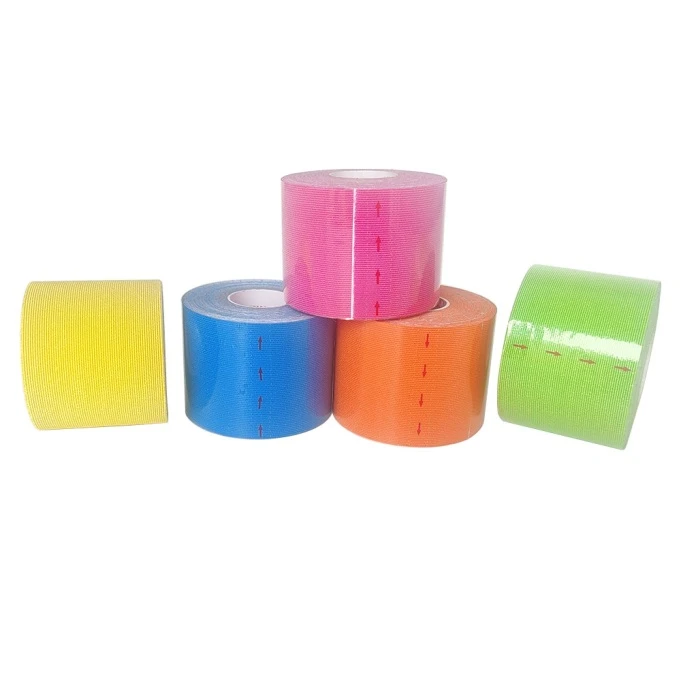
Reflective kinesiology tape is a specialized therapeutic tape designed to provide muscle and joint support while also increasing visibility in low-light or nighttime conditions. Like traditional kinesiology tape, it is engineered to mimic the elasticity and thickness of human skin, allowing it to move naturally with the body.
What makes reflective kinesiology tape unique is its reflective surface or embedded reflective elements. These reflective components bounce light back toward its source, making the tape more visible when exposed to headlights, flashlights, or street lighting.
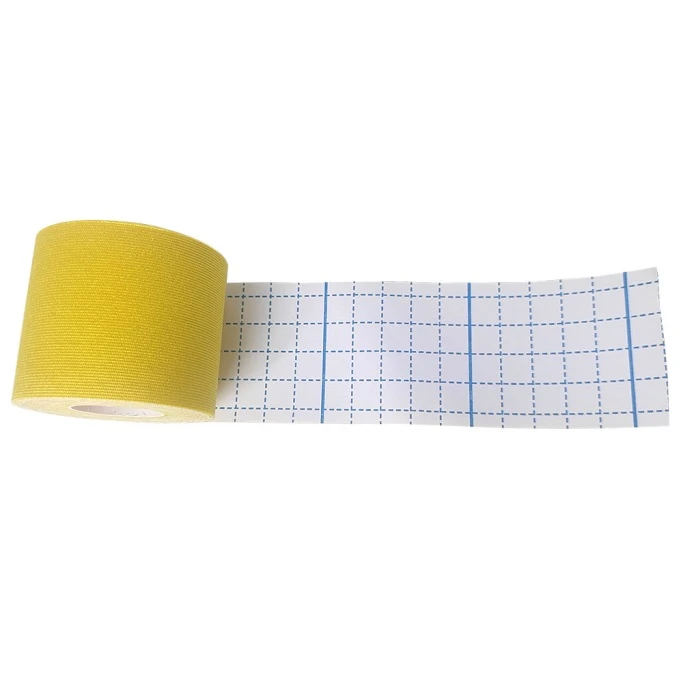
The tape is typically made from high-quality synthetic fabric combined with medical-grade acrylic adhesive. The adhesive is coated in a wave pattern, improving airflow and comfort while maintaining reliable adhesion during movement.
This dual-purpose design makes reflective kinesiology tape particularly useful for individuals who train outdoors in early morning, evening, or nighttime conditions.
How Does Reflective Kinesiology Tape Work?
Reflective kinesiology tape works through two main mechanisms:
Therapeutic support through elastic lifting
Reflective visibility for safety
Let's examine each function.
Therapeutic Mechanism: Skin Lifting and Support
Like standard kinesiology tape, reflective kinesiology tape works by gently lifting the skin after application. This creates microscopic space between the skin and underlying soft tissue.
This decompression effect may help:
Reduce pressure on pain-sensitive receptors
Improve blood circulation
Promote lymphatic drainage
Reduce localized swelling
Support natural healing processes
Enhance proprioceptive feedback
Proprioception refers to the body's awareness of movement and position. When tape stimulates skin receptors, the brain receives more sensory information about muscle activation and joint alignment. This can improve movement efficiency and stability.
Unlike rigid athletic tape, reflective kinesiology tape does not immobilize joints. Instead, it provides dynamic support while preserving natural range of motion.
Reflective Mechanism: Enhanced Visibility
The second major function is visibility enhancement.
Reflective kinesiology tape contains reflective materials that return incoming light to the source. For runners or cyclists training in dim environments, this creates a highly visible effect.
When exposed to:
Car headlights
Streetlights
Bicycle lights
Flash photography
Flashlights
the reflective surface becomes significantly brighter.
This added visibility improves safety by helping others notice the wearer from greater distances. For athletes training outdoors, this can reduce accident risk and improve confidence during nighttime sessions.
High-Quality Synthetic Fabric for Better Performance
Reflective kinesiology tape uses high-quality synthetic fabric rather than traditional cotton. This material choice offers several advantages.
Synthetic fabric tends to be:
More durable
More moisture-resistant
Faster drying
More resilient under repeated stress
Better at holding reflective coatings
Compared with cotton-based tape, synthetic reflective kinesiology tape often maintains its structure and appearance longer, especially in demanding outdoor environments.
The fabric also provides a smooth surface that supports consistent reflective performance.
Acrylic Adhesive for Reliable Hold
A crucial component of reflective kinesiology tape is its acrylic adhesive.
Medical-grade acrylic adhesive offers several important benefits:
Strong adhesion
Skin-friendly wear
Long-lasting performance
Sweat resistance
Water resistance
The adhesive becomes more effective as it warms to body temperature. This is why users are often advised to apply the tape around 30 minutes before activity.
This allows the adhesive to fully bond with the skin for optimal performance.
Acrylic adhesive is widely preferred in therapeutic taping because it balances strong hold with wearer comfort.
Wave-Pattern Adhesive Improves Breathability
One of the defining design features of quality reflective kinesiology tape is the wave-pattern adhesive coating.
Rather than covering the entire tape backing uniformly, adhesive is arranged in wave-like patterns. This creates micro-channels between the tape and skin.
These channels help:
Improve airflow
Reduce moisture buildup
Increase flexibility
Improve comfort during long wear
Reduce irritation risk
Breathability is particularly important for athletes engaged in prolonged exercise, where sweat and heat accumulation can affect comfort and adhesion.
Water Resistance for Active Lifestyles
Reflective kinesiology tape is designed to withstand exposure to moisture.
Its water-resistant properties make it suitable for:
Running in rain
Sweaty workouts
Outdoor training
Showering
Cycling
Endurance sports
Water resistance ensures that the tape remains functional even under challenging conditions.
Because synthetic fabrics absorb less water than cotton, reflective kinesiology tape usually dries faster after getting wet. This contributes to better durability and longer wear time.
Good Elasticity and Flexibility
Elasticity is essential to how kinesiology tape functions.
Reflective kinesiology tape is engineered with good elasticity that typically stretches to approximately 140–160% of its original length. This closely resembles human skin elasticity.
This allows the tape to:
Move with muscles
Support joints dynamically
Maintain comfort
Avoid restricting mobility
Adapt to complex body contours
Flexibility ensures that users can perform natural movements during training or daily activity.
Whether applied to shoulders, knees, calves, back, or ankles, the tape conforms smoothly to the body.
Benefits of Reflective Kinesiology Tape
Reflective kinesiology tape offers both therapeutic and practical benefits.
Muscle Support
The tape helps support fatigued, sore, or overworked muscles during activity and recovery.
Joint Stability
It provides light support to joints without limiting natural motion.
Swelling Reduction
Improved lymphatic drainage may help reduce mild swelling and edema.
Pain Relief
Reduced pressure on sensory receptors may help alleviate discomfort associated with overuse or minor strain.
Injury Prevention
Enhanced proprioception can improve movement awareness and reduce excessive joint stress.
Improved Recovery
The tape may support post-exercise recovery by improving circulation.
Enhanced Night Visibility
Reflective surfaces improve safety during low-light exercise.
Who Should Use Reflective Kinesiology Tape?
Reflective kinesiology tape is ideal for:
Runners
Cyclists
Triathletes
Hikers
Outdoor workers
Fitness enthusiasts
Physical therapy patients
Night-shift active individuals
Anyone needing both movement support and visibility can benefit from this specialized tape.
Common Application Areas
Reflective kinesiology tape can be applied to multiple body regions, including:
Neck
Shoulders
Lower back
Knees
Hamstrings
Calves
Ankles
Wrists
Application depends on the muscle group or joint requiring support.
How to Apply Reflective Kinesiology Tape
For best results:
Clean and dry the skin thoroughly
Cut tape to desired length
Round corners to reduce edge lifting
Apply with appropriate tension
Rub gently to activate adhesive
Wait 30 minutes before activity
Correct application improves wear duration and therapeutic effectiveness.
Reflective Kinesiology Tape vs Standard Kinesiology Tape
Compared with standard kinesiology tape, reflective kinesiology tape offers all the same therapeutic benefits plus improved visibility.
Standard tape focuses primarily on support and recovery.
Reflective tape adds:
Safety enhancement
Nighttime visibility
Better recognition outdoors
Unique visual appeal
This makes it especially valuable for outdoor athletes.
Conclusion
Reflective kinesiology tape represents an innovative evolution in therapeutic taping. By combining the proven biomechanical benefits of kinesiology tape with reflective safety technology, it offers users a unique balance of performance, protection, and visibility.
Its high-quality synthetic fabric, wave-pattern acrylic adhesive, water resistance, and excellent elasticity allow it to support muscles and joints effectively while adapting to active lifestyles. At the same time, its reflective properties help users stay visible in low-light environments, adding an important layer of safety.
For athletes and active individuals who train beyond daylight hours, reflective kinesiology tape is more than just a recovery tool-it is a smart investment in both performance and protection.