Continuous glucose monitoring has transformed the way people manage diabetes, offering real-time insights and greater control over daily health. Devices like Dexcom CGM systems are designed to work seamlessly in everyday life-but their performance depends heavily on how well the sensor stays in place. That's where a dexcom patch plays a crucial role. More than just an accessory, a dexcom patch provides protection, comfort, and reliability, helping users maintain consistent sensor performance through daily activities, exercise, and even water exposure.
This article explains how to use a dexcom patch properly, while also exploring its key features, advantages, and broader functional benefits. From breathable materials to skin-friendly adhesives, understanding how and why a dexcom patch works can significantly improve your overall CGM experience.
What is a Dexcom Patch?
A dexcom patch is an adhesive overlay designed to secure Dexcom continuous glucose monitoring sensors to the skin. It is placed over or around the sensor to reinforce adhesion and protect it from peeling, moisture, friction, and movement. While Dexcom sensors come with built-in adhesive, daily wear, sweat, and water exposure can weaken that bond over time. The dexcom patch acts as an added layer of security.
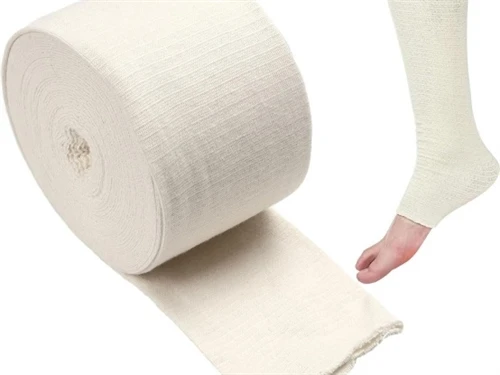
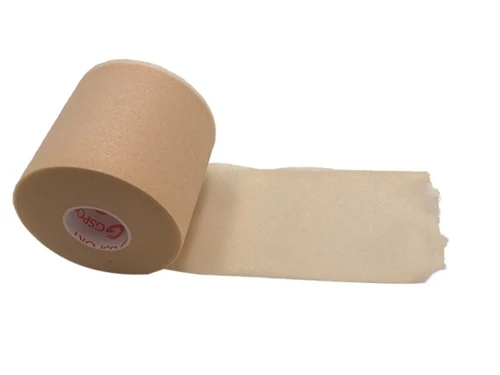
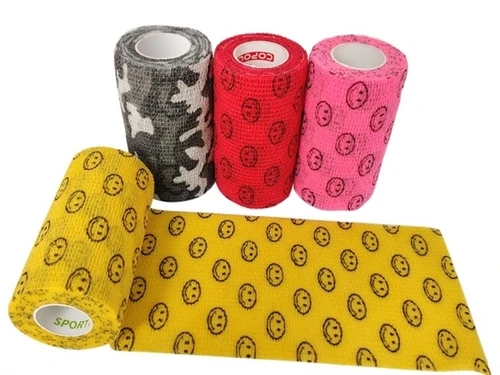
Typically made with breathable, flexible fabric and a hypoallergenic, latex-free adhesive, the patch is engineered for extended wear. Many versions feature a wave-pattern adhesive coating, which enhances airflow and comfort while maintaining strong attachment. Some designs also include camo or patterned surfaces, combining function with a discreet or stylish appearance.

Key Features of a Dexcom Patch
One of the most important advantages of a dexcom patch is its breathable and water-resistant construction. Breathability allows air to circulate, reducing moisture buildup and minimizing skin irritation. At the same time, water resistance ensures the patch stays secure during showers, workouts, and daily activities.
The hypoallergenic, latex-free adhesive is particularly important for users with sensitive skin. CGM sensors are worn continuously for days, and repeated exposure to harsh adhesives can cause redness or discomfort. A skin-friendly adhesive reduces this risk while still providing dependable hold.
The wave-pattern adhesive coating is another defining feature. Rather than covering the skin completely, this pattern creates micro-channels that promote airflow and flexibility. This improves comfort, especially during movement, and helps the patch adapt naturally to the contours of the body.
How to Use a Dexcom Patch Step by Step
Using a dexcom patch correctly ensures maximum effectiveness and comfort. Proper application can significantly extend sensor wear time and reduce the risk of premature detachment.
Step 1: Prepare the Skin
Start by cleaning the area where the sensor and patch will be applied. Use mild soap and water, then dry thoroughly. Avoid lotions, oils, or alcohol residue, as these can interfere with adhesion. Clean, dry skin is essential for optimal patch performance.
Step 2: Apply the Dexcom Sensor
Insert your Dexcom sensor according to the manufacturer's instructions. Make sure it is fully secured and functioning properly before adding the patch. The dexcom patch is meant to support the sensor, not replace its original adhesive.
Step 3: Position the Dexcom Patch
Carefully remove the backing from the dexcom patch. Align it over or around the sensor, depending on the design. Some patches fully cover the sensor housing, while others surround it, leaving the transmitter exposed. Choose the orientation that best matches your patch type.
Step 4: Apply with Gentle Pressure
Press the patch onto the skin, starting from the center and smoothing outward. This helps prevent wrinkles or air bubbles. Avoid overstretching the patch during application, as this can cause tension and reduce wear time.
Step 5: Activate the Adhesive
Once applied, gently rub the surface of the patch for 20–30 seconds. The warmth from your hands helps activate the adhesive, improving its bond with the skin.
Step 6: Monitor and Maintain
After application, check the patch periodically, especially during the first few hours. Properly applied dexcom patches typically remain secure for several days, even with exercise and water exposure.

Functional Benefits Beyond Sensor Security
While a dexcom patch is primarily designed to secure CGM sensors, its benefits extend beyond simple adhesion. Many of its features overlap with therapeutic taping technologies, which is why it can support broader physical comfort and skin health.
The gentle lifting effect created by flexible adhesive structures may help reduce localized pressure on the skin. This can improve comfort during extended wear, especially in areas subject to movement or friction.
The patch can also help protect sensitive or healing skin around the sensor site. By acting as a barrier, it reduces irritation caused by clothing, sweat, or accidental contact.
Supporting Musculoskeletal Comfort
Although a dexcom patch is not a replacement for medical treatment, its design principles align with applications seen in supportive taping. Similar materials are used to help restore function to injured, sore, or weak muscles and joints by providing light support without restricting movement.
The breathable, flexible fabric allows natural motion, while the adhesive maintains consistent contact with the skin. This combination can be beneficial for users who are physically active or managing mild musculoskeletal discomfort alongside CGM use.
Helping Manage Swelling and Edema
In taping applications, wave-pattern adhesives are often associated with improved lymphatic flow and reduced swelling. While a dexcom patch is not intended as a medical compression device, its breathable adhesive structure helps prevent moisture buildup and excessive pressure, which can contribute to skin discomfort or mild swelling around the sensor site.
By maintaining a stable and comfortable environment on the skin, the patch supports overall skin health during long-term wear.
Complementary to Daily Treatment and Lifestyle
A dexcom patch is designed to integrate seamlessly into daily life. It complements diabetes management routines without adding complexity or discomfort. Whether you're exercising, working, traveling, or sleeping, the patch helps ensure that your CGM system continues to function reliably.
The availability of camo and patterned designs also adds a psychological benefit. For many users, especially younger individuals or active adults, these patterns make medical devices feel less clinical and more personal. Feeling comfortable and confident with your equipment can positively influence long-term adherence.
Who Can Benefit Most from a Dexcom Patch?
A dexcom patch is especially valuable for:
Active individuals who sweat or exercise regularly
Users who swim or shower frequently
People with sensitive skin or adhesive allergies
Those experiencing sensor edges peeling prematurely
Anyone seeking longer, more reliable sensor wear
By addressing common challenges associated with CGM adhesion, the patch helps users focus on managing their health rather than worrying about device stability.
Conclusion
Using a dexcom patch is a simple yet highly effective way to enhance the performance and comfort of continuous glucose monitoring. With breathable, water-resistant materials, hypoallergenic latex-free adhesive, and a wave-pattern coating designed for flexibility and airflow, it offers reliable support for everyday use.
When applied correctly, a dexcom patch not only secures your sensor but also protects your skin, supports comfort, and fits seamlessly into an active lifestyle. Whether you are newly using a Dexcom CGM or looking to improve your current routine, incorporating a dexcom patch can make a meaningful difference.