In the world of sports and physical therapy, taping is a time-tested method for providing joint stability, preventing injuries, and enhancing athletic performance. Whether on the field, in the gym, or during rehabilitation, the right tape can make a remarkable difference in both protection and comfort. Among the many options available today, porous athletic tape stands out as a trusted essential for athletes and trainers. Its unique blend of strength, breathability, and reliability makes it ideal for a wide range of sporting and therapeutic applications.
So, what exactly is porous athletic tape, and what makes it different from other types of sport tape? Let's take a closer look at how it works, its key features, and why it has become an indispensable part of every athlete's toolkit.

Porous athletic tape, also known as sport tape or sports tape, is a non-elastic adhesive tape used to support muscles, stabilize joints, and prevent injuries. It is called "porous" because the cotton backing contains tiny perforations that allow air and moisture to pass through. This breathable design helps keep the skin cool and dry, even during intense physical activity.
Made primarily from breathable cotton, this type of tape combines durability with comfort. It is coated with a high-performance hot melt adhesive, which ensures strong sticking power while remaining skin-friendly and easy to handle. The standard size of 3.8 cm × 13.7 m makes it convenient for athletic trainers, therapists, and individuals to use and cut according to specific needs.
Unlike elastic tapes such as kinesiology tape, porous athletic tape is non-elastic. It does not stretch, meaning it provides firm, rigid support to limit unwanted movement. This feature makes it particularly effective in preventing excessive joint motion that could lead to injuries such as sprains or strains.
How Does Porous Athletic Tape Work?
Porous athletic tape works by providing external structural support to muscles and joints. When applied properly, it stabilizes areas of weakness, reduces the risk of overextension, and helps maintain proper joint alignment. For example, athletes commonly use it to tape ankles, wrists, knees, or fingers before competitions to prevent injuries.
The non-elastic cotton fabric acts as a brace-like layer, restricting harmful motion while still allowing functional mobility. Meanwhile, the porous construction ensures air circulation, preventing overheating and reducing the risk of skin irritation. The combination of rigidity, breathability, and strong adhesion makes it both protective and comfortable.
Another way porous athletic tape works is by offering compression. When wrapped around a joint or muscle, it provides light pressure that can reduce swelling and inflammation. It also helps secure bandages, padding, or splints during injury recovery.
Key Features of Porous Athletic Tape
1. Porous and Breathable Design
The small holes throughout the tape allow air and moisture to circulate freely, keeping the skin cool and dry. This is especially beneficial during long training sessions or games when sweat buildup can be an issue.
2. Non-Elastic Cotton Fabric
The rigid cotton base provides strong, consistent support. It prevents overextension and keeps joints and muscles stable without the flexibility that elastic tapes allow.
3. Hot Melt Adhesive
Porous athletic tape uses a hot melt adhesive that ensures powerful adhesion even during intense physical activity. It stays in place through sweat and motion but can be removed cleanly without leaving residue.
4. Comfortable and Skin-Friendly
Because it's made of breathable cotton and latex-free adhesive, the tape is suitable for most skin types. It offers strong support without causing irritation or discomfort.
5. Standard Practical Size
Each roll typically measures 3.8 cm in width and 13.7 m in length, providing ample material for multiple applications. This standard size is easy to store and cut for customized use.
Reliable Joint Stabilization
The primary function of porous athletic tape is to stabilize joints such as ankles, knees, wrists, and elbows. It helps limit movements that could cause injury or re-injury, making it essential for athletes in contact or high-impact sports.
Injury Prevention and Recovery Support
By restricting excessive motion, the tape prevents common injuries like sprains or ligament tears. It can also be used during rehabilitation to protect healing joints or muscles.
Enhanced Comfort and Skin Health
The breathable cotton and porous design ensure that moisture does not build up under the tape, reducing the likelihood of irritation, itching, or rashes. This makes it more comfortable than traditional non-porous athletic tapes.
Strong Adhesion for Long-Term Use
Thanks to its hot melt adhesive, porous athletic tape remains securely in place even through heavy sweating or water exposure. It's suitable for use during matches, workouts, and long training sessions.
Versatility in Application
Porous athletic tape can be used in various ways: securing bandages, supporting weak joints, wrapping equipment handles, or reinforcing muscles. It's a staple in sports medicine, physiotherapy, and even first-aid kits.

Who Can Benefit from Porous Athletic Tape?
Athletes: Professional and amateur athletes use porous sport tape to protect against injuries and provide joint support during performance. It's widely used in sports like football, basketball, gymnastics, soccer, and running.
Trainers and Physiotherapists: Medical professionals rely on porous athletic tape for injury prevention, treatment, and post-rehabilitation support.
Everyday Users: People who engage in physical work, fitness routines, or repetitive tasks benefit from using sports tape to prevent strain and fatigue in vulnerable joints.
How to Apply Porous Athletic Tape
Prepare the skin: Clean the area to remove sweat, oils, or lotions.
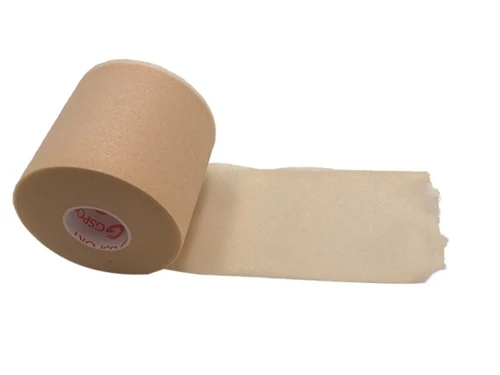
Apply an underwrap: For sensitive skin, use a thin foam underwrap before applying the tape.
Cut and position: Measure and cut the desired length of tape. Start taping from the muscle origin and move toward the joint or target area.
Maintain proper tension: Apply the tape firmly but not too tightly to avoid restricting blood flow.
Smooth the tape: Press and smooth down the edges to ensure proper adhesion.
When applied correctly, porous athletic tape should feel supportive but not overly tight. It can stay in place for several hours, providing consistent, comfortable stability throughout physical activity.
Why Choose Porous Athletic Tape Over Regular Tape?
Traditional athletic tapes, especially those without a porous design, often trap heat and moisture under the surface. This can lead to discomfort, reduced performance, and even skin irritation. Porous athletic tape solves these problems by allowing airflow, maintaining skin health, and improving overall comfort.
Additionally, the combination of non-elastic cotton fabric and hot melt adhesive gives it superior durability and reliability. It provides consistent support throughout intense activity without peeling or slipping. The 3.8 cm × 13.7 m size also offers excellent value, allowing multiple uses from a single roll.
Conclusion
Porous athletic tape represents the perfect balance between strength, stability, and comfort. With its breathable cotton construction, powerful hot melt adhesive, and non-elastic support, it has become a trusted companion for athletes, trainers, and therapists worldwide.
Whether you're wrapping an ankle before a game, securing a wrist during weight training, or protecting a recovering joint, porous athletic tape delivers dependable performance every time. Its breathable, skin-friendly structure makes it suitable for long-term wear without irritation, while its strong, non-stretch fabric ensures optimal protection where it's needed most.
In short, porous athletic tape is more than just a piece of sports equipment-it's a vital tool for anyone who values performance, prevention, and recovery in their athletic journey.