Introduction
Athletes, fitness enthusiasts, and active individuals are always looking for practical ways to stay comfortable during physical activity and after exercise. While traditional kinesiology tape is widely used for flexible taping applications, kinesiology tape with menthol offers an additional feature: a refreshing cooling sensation that helps soothe the skin.
Combining the flexibility of kinesiology tape with the distinctive cooling properties of menthol, this specialized product is designed for situations where immediate cooling and comfort are desired. It may be suitable for post-exercise use, the initial stages of minor acute injuries, or other situations requiring a refreshing sensation.
But what exactly is kinesiology tape with menthol? How does it work, and what makes it different from conventional kinesiology tape? Let's explore its features, potential applications, benefits, and safety considerations.
What is Kinesiology Tape with Menthol?
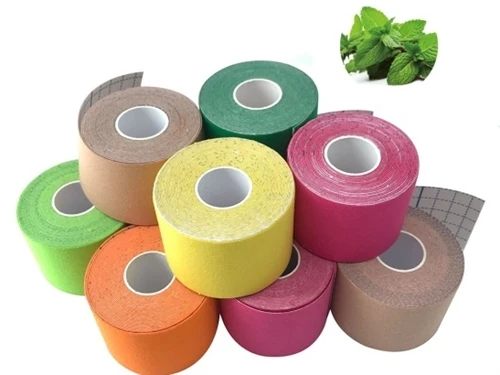
Kinesiology tape with menthol is a specialized adhesive tape that combines the familiar format of kinesiology tape with the cooling sensation produced by menthol. Unlike conventional kinesiology tape, it adds a refreshing sensory experience to the taping process.
Menthol is a compound known for activating cold-sensitive receptors in the skin, creating a cooling sensation without necessarily lowering the actual temperature of the underlying tissues. When incorporated into kinesiology tape, it can provide a refreshing and soothing feeling in the applied area.
Depending on its design, the tape may feature an elastic fabric backing and a skin-compatible adhesive that allows it to conform to the body's contours while accommodating natural movement.
The defining characteristic of menthol kinesiology tape is its combination of flexible application and a cooling sensation, making it an option for athletes, sports trainers, and active consumers seeking an alternative to traditional taping products.

How Does Menthol Kinesiology Tape Work?
The effectiveness and user experience of menthol kinesiology tape involve two distinct elements: the cooling effect of menthol and the physical properties of the tape.
The Cooling Effect of Menthol
Menthol interacts with cold-sensitive receptors in the skin, particularly TRPM8 channels, which respond to cooling stimuli. This interaction creates a sensation of coolness even when the skin's actual temperature changes very little.
This refreshing effect may help users feel more comfortable after strenuous exercise or during periods of localized discomfort. However, perceived cooling should not be confused with actual tissue cooling. Menthol does not necessarily reduce the temperature of deeper tissues or directly treat an injury.
Flexible Taping for Movement
The tape provides an adhesive surface that can be applied to different areas of the body. When made with elastic fabric, it can accommodate normal movement without the rigidity associated with some conventional sports tapes.
This combination allows users to experience the refreshing sensation of menthol while benefiting from the convenience of a flexible taping format. Actual elasticity, adhesion, and wear time depend on the product's materials and construction.
Key Benefits of Kinesiology Tape with Menthol
Provides a Refreshing Cooling Sensation
One of the main advantages of cooling kinesiology tape is its ability to deliver a localized cooling sensation. After a demanding workout or prolonged physical activity, this refreshing feeling may help the applied area feel more comfortable.
For users who prefer cooling products over warming formulations, menthol kinesiology tape provides a convenient alternative in a familiar adhesive tape format.
Suitable for Post-Exercise Comfort
Intense exercise places physical demands on muscles and surrounding tissues. After training, some people experience temporary soreness, fatigue, or general discomfort.
Kinesiology tape with menthol can be incorporated into a post-exercise comfort routine when a cooling sensation is preferred. Its flexible construction may also suit users who want to maintain normal movement while wearing the tape.
However, the cooling sensation alone does not establish that the product accelerates recovery, reduces inflammation, or prevents muscle soreness. These benefits require appropriate product-specific evidence.
Convenient and Flexible Application
Unlike cooling products that require separate application, cooling kinesiology tape can be positioned over a selected area of the body. Depending on the product design, it may also be cut to a suitable length or shape.
For active individuals, this format offers a practical way to incorporate a localized cooling sensation into their sports-care routine without carrying additional cooling equipment.
When Should You Use Cooling Kinesiology Tape?
Cooling kinesiology tape may be considered in several situations where a refreshing sensation is desired.
After exercise: Following running, cycling, strength training, or competitive sports, some athletes prefer cooling sensations as part of their post-workout routine. The tape may be a convenient option when used on intact skin according to the manufacturer's instructions.
During the initial stages of minor acute injuries: Menthol-based products may provide temporary sensory relief in some situations involving localized discomfort. However, they should not replace appropriate first aid or professional assessment. For acute sprains, strains, or other injuries, physical cooling with an appropriate cold pack may be recommended in certain circumstances. Menthol tape should not be assumed to provide the same cooling effect as ice.
During everyday activities: Some individuals may appreciate the refreshing sensation after prolonged physical exertion or a busy day. The product should be used as directed and should not interfere with circulation, normal sensation, or safe movement.
Seek medical attention for severe pain, significant swelling, deformity, numbness, or an inability to bear weight.
Kinesiology Tape with Menthol vs. Traditional Kinesiology Tape
Both products share the general concept of adhesive taping, but their sensory experiences differ.
Traditional kinesiology tape is selected for its flexible construction and suitability for movement-related taping applications. Its benefits depend on the specific product, application technique, and intended use.
In comparison, kinesiology tape with menthol adds a cooling sensation that may appeal to users seeking a refreshing feeling after exercise or during periods of minor discomfort.
The primary difference is the menthol-related sensory effect, not a guarantee of superior athletic performance or faster recovery. When choosing between the two, consider the intended application, elasticity, adhesive performance, skin compatibility, and whether a cooling sensation is desirable.

How to Use Menthol Kinesiology Tape Safely
Proper application helps improve comfort and reduce the risk of skin irritation.
Start by cleaning and drying the application area. If the product is designed for user cutting, prepare the desired length according to the manufacturer's instructions. Apply the tape as directed, avoiding excessive tension unless specifically recommended.
Do not apply the tape to broken, irritated, or damaged skin. Avoid contact with the eyes, mucous membranes, and other sensitive areas. Do not combine menthol-containing tape with heating pads or external heat sources unless the product labeling explicitly permits it, as this may increase the risk of irritation or adverse reactions.
Discontinue use if burning, excessive redness, itching, or other signs of irritation occur. Users with sensitive skin should review the ingredients and follow any recommended skin-testing instructions.
What to Look for When Choosing Kinesiology Tape with Menthol
When evaluating a cooling kinesiology tape product, consider the following factors:
Cooling formulation: Review the ingredient information and product labeling to understand the intended cooling effect.
Fabric elasticity: Choose a construction suitable for the intended body area and movement requirements.
Adhesive quality: Consider skin compatibility, adhesion, and product-specific claims regarding sweat or water resistance.
Product consistency: For distributors and sports-care brands, consistent material quality, reliable adhesive performance, and clear usage instructions are important purchasing considerations.
Evaluating these specifications helps users and professional buyers select products that meet their practical requirements without relying on unsupported marketing claims.
Conclusion
Kinesiology tape with menthol combines the flexible application format of kinesiology tape with the refreshing sensation of menthol. It may be a convenient option for athletes and active individuals who prefer localized cooling after exercise or during certain situations involving minor discomfort.
Its defining feature is the sensory cooling effect, which should not be confused with deep-tissue cooling or proven injury recovery benefits. By understanding its characteristics, applications, and safety considerations, users can make informed decisions about incorporating menthol kinesiology tape into their sports-care routines.