Introduction
Bandages are essential supplies in sports medicine, first aid, veterinary care, and everyday wound management. They help secure dressings, provide support, and protect injured areas during recovery. Among the different types available, cohesive bandages have become a popular choice because they adhere to themselves without sticking directly to the skin or hair. A non-tearable cohesive bandage takes this convenience a step further by combining self-adhesion with enhanced resistance to tearing.
But what exactly is a non-tearable cohesive bandage, how does it work, and when should it be used? Understanding its material properties, practical benefits, and common applications can help healthcare professionals, sports trainers, distributors, and everyday users choose the right bandage for their needs.
What is a Non-Tearable Cohesive Bandage?
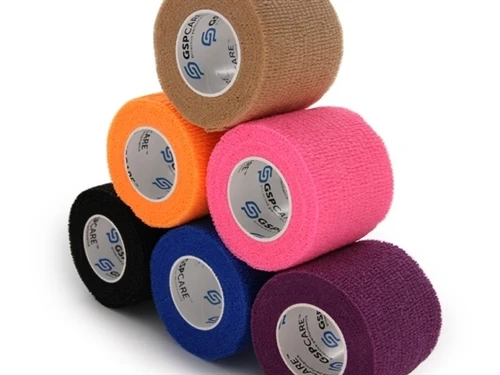
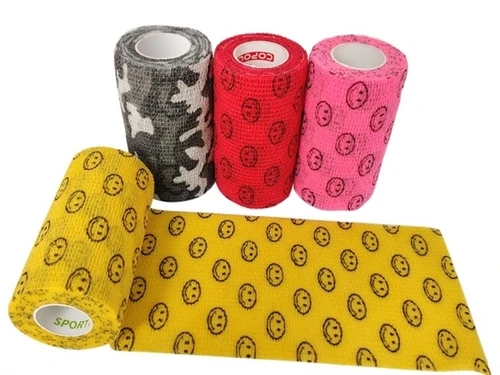
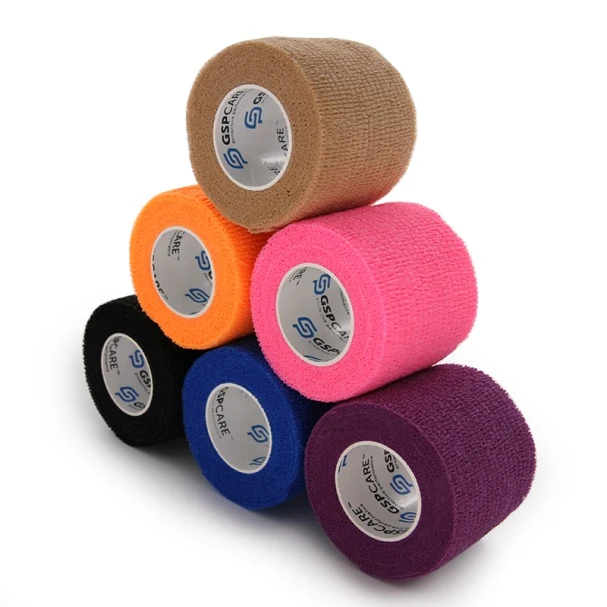
A non-tearable cohesive bandage is an elastic wrapping material designed to adhere to itself while resisting tearing during normal handling and application. Unlike conventional adhesive bandages, which use glue to stick to the skin, a cohesive bandage holds together through its self-adhering properties. This allows the material to remain securely wrapped without leaving adhesive residue on the skin or hair.
The term "non-tearable" describes the bandage's resistance to tearing during routine use. This feature helps maintain the integrity of the wrap when it is unwound, stretched, and applied around an injured or vulnerable area. It is particularly useful in environments where bandages need to be applied quickly and reliably, such as sports facilities, clinics, veterinary practices, and first-aid stations.
A non-tearable cohesive bandage typically combines elasticity, breathability, and a lightweight structure. These properties make it suitable for securing wound dressings, providing light external support, and helping keep protective materials in place. However, it should not be considered completely indestructible, and its performance depends on the material construction and the conditions of use.
How Does a Cohesive Bandage Work?
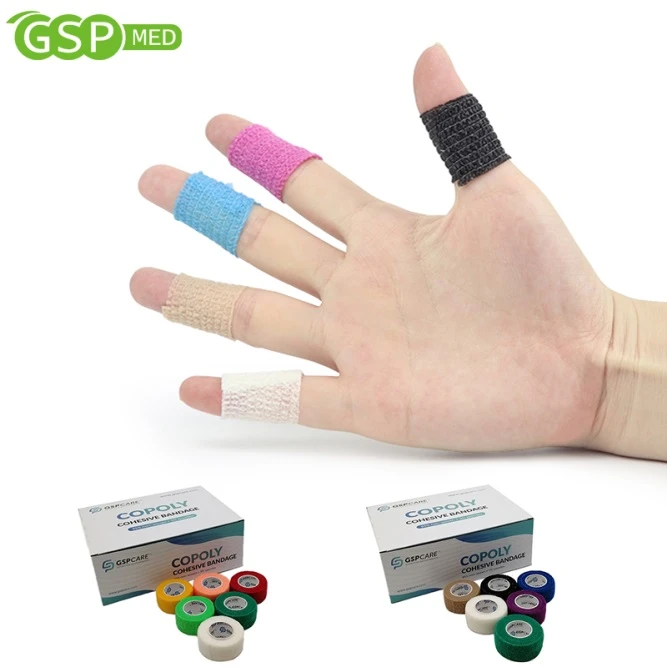
The defining characteristic of a cohesive bandage is its ability to stick to itself rather than to the underlying skin or hair. As the bandage is wrapped around an area, successive layers bond together to help maintain a secure fit.
This self-adhering design offers several practical advantages. Users do not generally need separate clips, pins, or additional adhesive tape to hold the wrap in place. The bandage can also be adjusted during application to achieve the desired coverage and fit.
Unlike a traditional elastic bandage that may rely on fasteners to secure its end, a cohesive bandage can hold its position through the interaction between overlapping layers. Its elasticity allows it to conform to body contours, while its cohesive properties help reduce slipping during normal movement.
When selecting a non-tearable cohesive bandage, it is important to consider both its cohesive strength and its stretch characteristics. A good balance between these properties makes the bandage easier to handle and helps it remain in place without requiring excessive tension.
Key Features and Benefits of Non-Tearable Cohesive Bandage
1. Easy Unwinding with Good Tension
Ease of unwinding is an important feature for users who need to apply bandages efficiently. A well-designed non-tearable cohesive bandage unwinds smoothly and provides consistent tension, allowing users to control the wrapping process more easily.
Consistent tension helps create an even wrap and reduces unnecessary adjustments during application. This is particularly beneficial for sports trainers and healthcare professionals who may need to apply several bandages within a short period.
The ability to unwind smoothly also makes the product more convenient to handle, whether it is used in a clinical setting, during athletic training, or as part of a first-aid kit.
2. Does Not Stick to Skin or Hair
One of the main advantages of a cohesive bandage is that it adheres to itself rather than directly to the skin or hair. This design helps reduce the discomfort associated with removing conventional adhesive products.
For individuals with sensitive skin or areas covered with body hair, this feature can make bandage removal more comfortable. It also helps minimize adhesive residue, making cleanup easier after use.
In veterinary applications, a cohesive bandage can be particularly useful because it does not need to bond directly to an animal's hair. Nevertheless, care should be taken when wrapping fur-covered limbs, and the bandage should never be applied so tightly that it restricts circulation.
3. Non-Tearable Construction for Reliable Handling
A non-tearable cohesive bandage is designed to resist accidental tearing during normal application and handling. This helps preserve the continuity of the wrap, especially when the material is stretched or repositioned.
For professional users, greater tear resistance can improve handling efficiency and reduce interruptions during application. It may also help reduce material waste caused by accidental damage.
Because the bandage is designed to remain intact during use, it can be a practical option for applications that require a continuous, secure wrap. The bandage should still be cut with appropriate scissors or another suitable tool when a clean, controlled end is required.
4. High Elasticity for a Flexible Fit
High elasticity allows a cohesive bandage to stretch and conform to different body shapes. It can be wrapped around joints, limbs, and other contoured areas more easily than a rigid wrapping material.
This flexibility makes an elastic cohesive bandage useful for securing dressings and providing light external support during routine activities. It can also accommodate moderate changes in body position without immediately losing its shape.
However, elasticity alone does not determine the level of support provided. The bandage's material, width, stretch characteristics, and application technique all influence its performance. Users should avoid excessive tension, particularly when wrapping fingers, toes, wrists, ankles, or other areas where circulation may be affected.
5. Breathable and Lightweight Design
Comfort is an important consideration when a bandage needs to remain in place for an extended period. A breathable, lightweight cohesive bandage can help reduce the feeling of bulk and make daily movement more comfortable.
Its lightweight structure is convenient for sports bags, first-aid kits, medical supply cabinets, and veterinary equipment. The breathable material may also help support airflow around the covered area, depending on the product's construction and how tightly it is applied.
Although breathability can improve wearing comfort, a cohesive bandage should not automatically be considered waterproof or suitable for every skin condition. The specific product instructions should always be followed.
Common Applications of Non-Tearable Cohesive Bandage
Non-tearable cohesive bandages are used in a variety of professional and everyday settings.
Sports medicine and athletic care: Sports trainers may use cohesive bandages to secure gauze pads, hold protective dressings in place, or wrap equipment and padding where appropriate. Their elasticity and self-adhering properties make them convenient for use during training and competition.
First aid and wound dressing retention: A cohesive bandage can help hold sterile gauze, wound pads, and other suitable dressings in position. It is generally used as an outer securing layer rather than as a direct substitute for a wound-contact dressing.
Clinical and rehabilitation settings: Healthcare professionals may use cohesive wrapping materials to secure dressings and provide light external support when appropriate. The type of wrap and application technique should be selected according to the patient's needs.
Veterinary care: Cohesive bandages are widely used in animal care to secure dressings and protective padding. Their non-stick-to-hair properties can make removal more convenient, although appropriate padding and careful monitoring are essential to prevent pressure injuries.
Everyday first-aid supplies: Thanks to their lightweight design and simple application, cohesive bandages can be a useful addition to home, workplace, travel, and outdoor first-aid kits.
Non-Tearable Cohesive Bandage vs. Traditional Elastic Bandage
Although these products may look similar, their main differences lie in how they stay in place and how they are used.
A traditional elastic bandage generally relies on clips, fasteners, or other securing methods to prevent the wrap from loosening. It may be reusable depending on its construction and care instructions.
A cohesive bandage, by contrast, adheres to itself, which can simplify application and reduce the need for separate fasteners. A non-tearable version adds resistance to tearing during normal handling, making it easier to maintain a continuous wrap.
Neither type is automatically better for every application. The right choice depends on the required level of support, the body area being wrapped, the desired degree of compression, and whether reuse is necessary.
How to Choose the Right Non-Tearable Cohesive Bandage
When evaluating a non-tearable cohesive bandage, consider the following factors:
Material quality: Look for a material that balances strength, elasticity, and comfort.
Cohesive performance: The bandage should adhere reliably to itself without requiring excessive tension.
Stretch and recovery: Appropriate elasticity helps the wrap conform to different body contours.
Breathability and weight: Lightweight construction can improve handling and wearing comfort.
Width and length: Different dimensions suit different body areas and applications.
Intended use: Sports medicine, veterinary care, and general first aid may require different specifications.
For businesses sourcing medical and sports care supplies, consistency in material performance, product specifications, and quality control is also important. Reviewing technical documentation and relevant compliance requirements can help ensure the product is suitable for its intended market.
Conclusion
A non-tearable cohesive bandage combines self-adhering performance with resistance to tearing, high elasticity, easy unwinding, and a breathable, lightweight structure. Because it sticks to itself rather than directly to skin or hair, it offers a convenient solution for securing dressings and providing light external support in sports medicine, first aid, clinical care, and veterinary applications.
Compared with a conventional elastic bandage, its self-adhering design can simplify application and reduce the need for separate fasteners. When selected according to the intended use and applied with appropriate tension, it can be a practical addition to a wide range of medical and athletic care supplies.
Ultimately, choosing the right cohesive bandage means looking beyond its appearance. Material quality, cohesive strength, elasticity, tear resistance, and user comfort all contribute to reliable performance. Understanding these characteristics helps users make informed decisions and select a bandage that meets their practical needs.