Wrapping It Right: How to Use Cohesive Foam Bandage on Your Wrist for Support and Recovery
Wrist injuries are common, whether from sports, repetitive strain, or accidental impact. Managing these injuries effectively requires the right support system-one that's easy to apply, offers compression, and allows for mobility during recovery. One product that meets all these requirements is the cohesive foam bandage. Known for its gentle but firm support, ease of use, and excellent self-adhering properties, this bandage has become a favorite among medical professionals, athletes, and everyday users alike.
In this article, we'll walk you through how to properly use a cohesive foam bandage on your wrist, and explore the key features, advantages, and practical tips to make the most of this versatile tool.
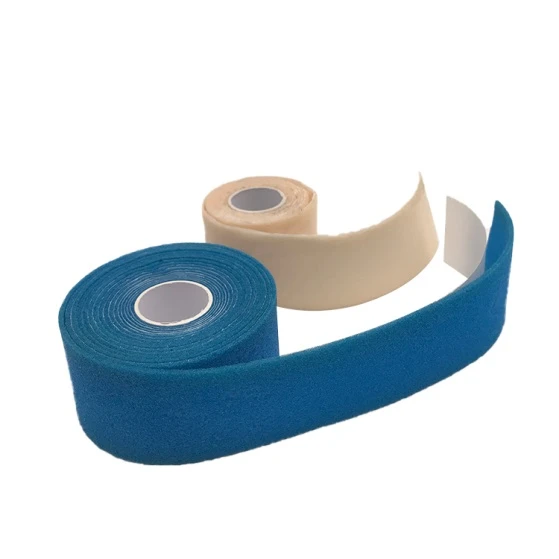
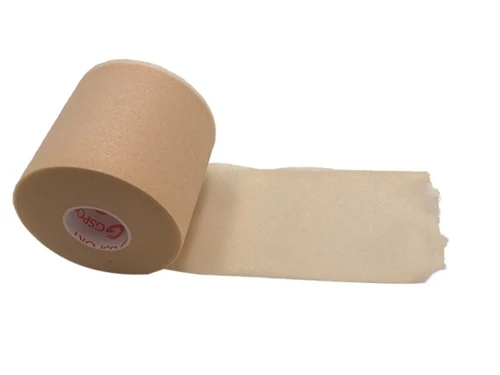
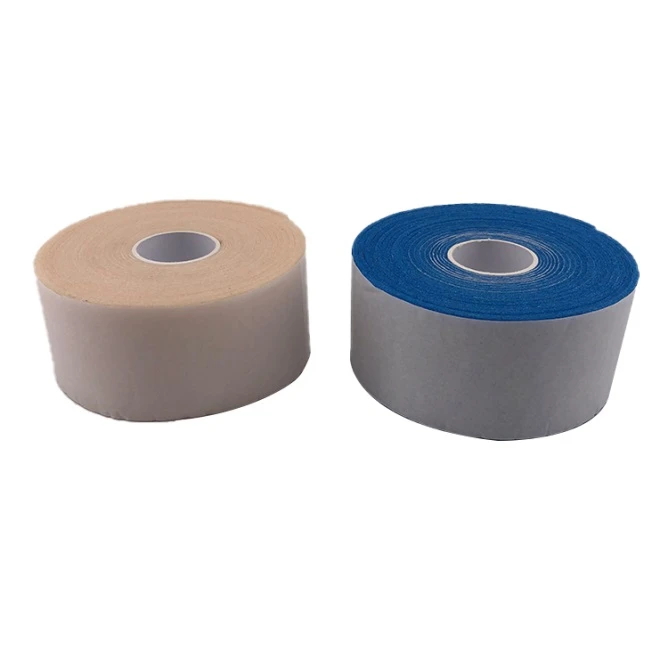
A cohesive foam bandage is a lightweight, flexible wrap made from soft foam material that adheres to itself without sticking to the skin, hair, or clothing. Unlike traditional adhesive bandages that can tug at skin or cause discomfort during removal, a cohesive foam bandage relies on its unique texture to cling only to itself. This self-adhesive property makes it perfect for wrapping around joints like the wrist where movement and comfort are crucial.
Typically, a cohesive foam bandage such as the 3cm x 4m roll is used for compression, support, wound dressing retention, or even as a grip enhancer in sports like tennis or golf. It's especially useful when frequent re-wrapping is needed, or when skin sensitivity prevents the use of sticky adhesives.
Key Features of Cohesive Foam Bandage
Good Adhesive Qualities
Despite being glue-free, a cohesive foam bandage offers excellent self-adhesion. It wraps securely around the wrist and stays in place without slipping-even during active movement or sweating. This property ensures stable support for injured muscles or joints without the irritation caused by conventional tapes.
Highly Elastic and Conformable
The elasticity of the foam bandage allows it to conform closely to the contours of the wrist. This stretchiness ensures uniform compression and comfort, which is essential for managing swelling, supporting ligaments, or preventing overextension during the healing process.
Easy to Tear by Hand
Another great benefit of this type of bandage is how easy it is to tear without scissors. Whether you're in a clinic, on the field, or at home, you can apply the foam bandage quickly and efficiently. Just stretch, wrap, and tear-no extra tools required.
Compact and Convenient Size (3cm x 4m)
The 3cm width makes it ideal for smaller areas like the wrist, fingers, or toes, while the 4-meter length provides ample coverage. It's compact enough to carry in a first aid kit, gym bag, or pocket, ready to go whenever needed.
1. Compression Without Constriction
The cohesive foam bandage delivers gentle, even compression to help reduce swelling and inflammation in the wrist. Its elasticity allows it to expand and contract with your movement, offering support without cutting off circulation.
2. No Skin Damage or Irritation
Since it doesn't rely on traditional adhesive, the foam bandage won't pull on skin or hair when removed. This is especially important for individuals with sensitive skin, allergic reactions to adhesives, or those who need to rewrap their wrists frequently.
3. Reusable and Repositionable
If you don't get the wrap right the first time, no problem. A cohesive foam bandage can be unwrapped and reapplied without losing its sticking ability. It's also durable enough to be reused several times under hygienic conditions.
4. Lightweight and Breathable
Thanks to its open-cell foam structure, the bandage allows air to flow through, keeping the skin underneath cool and dry. This is a big plus during long wear periods or athletic use.
5. Multi-Purpose Use
In addition to wrist support, foam bandages are used for dressing retention, light compression, blister prevention, and even as padding under rigid splints. Their versatility makes them a go-to item for athletes, healthcare providers, and pet owners.
When to Use a Foam Bandage on Your Wrist
You can use a cohesive foam bandage in various wrist-related scenarios, such as:
Mild Sprains or Strains
For minor ligament injuries, wrapping the wrist with a foam bandage offers enough support to minimize movement and reduce stress on the joint.
Tendonitis or Repetitive Strain Injuries (RSI)
Conditions like carpal tunnel syndrome or tendonitis can benefit from light compression and support during daily activities or computer work.
Post-Injury or Post-Surgery Support
After an injury has stabilized or following minor procedures, a foam bandage provides a gentle alternative to stiffer wraps or braces.
Protection During Physical Activity
Use the bandage during sports to provide additional wrist support or to secure padding and prevent abrasions.
Step-by-Step Guide: How to Apply a Cohesive Foam Bandage to the Wrist
Clean and Dry the Wrist Area
Before applying the foam bandage, make sure the wrist is clean and dry. This prevents bacteria from getting trapped under the wrap and ensures a secure fit.
Position the Wrist
Hold your wrist in a neutral position-not too bent forward or backward. This helps you maintain the right posture during application.
Start Wrapping at the Base of the Palm
Begin wrapping the cohesive foam bandage at the base of your palm, just above where the wrist meets the hand. Leave a small tail of the bandage unwrapped to help secure the end later.
Wrap in Overlapping Layers
Continue wrapping around the wrist in overlapping spirals, stretching the bandage slightly with each layer. Be sure not to stretch too tightly-you want compression, not constriction.
Cover the Entire Wrist Joint
Wrap above and below the wrist joint to ensure complete support. You may also want to make a figure-eight pattern between the hand and forearm for additional stability.
Secure and Press Down
Tear the bandage after the final wrap and press the end against the previous layers. The cohesive texture will hold it firmly in place.
Check for Comfort and Circulation
Flex your fingers and check for signs of excessive tightness like tingling or discoloration. Adjust the tension if needed.
Tips for Optimal Use
- If you're wearing the foam bandage for extended periods, remove it once in a while to let your skin breathe.
- Replace the wrap if it becomes wet, soiled, or loses its cohesive property.
- For added padding, you can double-layer the wrap or place a sterile gauze pad underneath.
Conclusion
The cohesive foam bandage is a small but mighty tool that delivers comfort, support, and flexibility where it matters most-especially for wrist injuries. Its good adhesion, high elasticity, and ease of tearing make it a smart choice for anyone looking to manage mild wrist issues without the hassle of adhesives or bulky braces.
Whether you're recovering from a strain, managing repetitive motion discomfort, or just need quick wrist support during a workout, the cohesive foam bandage provides a breathable, skin-friendly solution that adapts to your needs. Compact and convenient, it's an essential addition to any first aid kit, athletic bag, or home health drawer.
By learning how to apply and use it properly, you can take control of your recovery and stay active with confidence.