When it comes to versatile, effective, and user-friendly bandaging solutions, the nonwoven cohesive bandage is quickly gaining recognition as an essential item in both professional healthcare settings and personal first aid kits. Designed to combine comfort, flexibility, and ease of use, this self-adhesive bandage offers numerous advantages over traditional wraps and tapes.
But what makes the nonwoven cohesive bandage stand out, and why should you choose it over other options? This article explores the unique features, practical benefits, and common applications of nonwoven cohesive bandages-shedding light on why this seemingly simple product is an indispensable tool for wound care, sports support, and much more.

A nonwoven cohesive bandage is a stretchable, self-adhering wrap made from synthetic or blended nonwoven materials. Unlike traditional woven bandages, nonwoven fabrics are created through mechanical, thermal, or chemical bonding of fibers, which results in a soft, lightweight, and highly flexible material. The bandage adheres to itself but not to the skin, hair, or clothing, thanks to its cohesive (self-stick) nature.
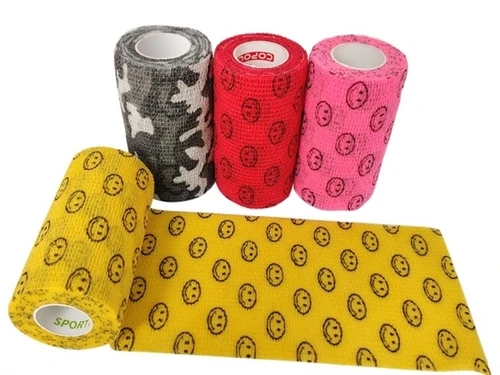
Available in various widths-commonly 2.5 cm, 5 cm, 7.5 cm, 10 cm, and 15 cm-with standard lengths of around 4.5 meters, nonwoven cohesive bandages come in both latex and latex-free options. They are also offered in a wide range of colors, making them suitable for medical, athletic, veterinary, and home use.
Key Features at a Glance
- Elastic and conformable: Provides gentle compression and adjusts easily to the shape of body parts
- Easy to tear by hand: Eliminates the need for scissors, making it ideal for quick applications
- Multi-color options: Adds visual appeal and allows color coding for different uses or users
- Latex or latex-free: Accommodates all users, including those with latex sensitivities
- Available in multiple sizes: Ensures the right fit for any body part or treatment need
The Advantages of Nonwoven Material
One of the primary reasons to choose a nonwoven cohesive bandage is its material composition. Nonwoven fabric offers several key benefits that make it particularly suitable for medical and sports applications.
Soft and Comfortable
Nonwoven fabric is incredibly soft against the skin, reducing the risk of irritation, chafing, or discomfort even during extended use. This is particularly valuable for individuals with sensitive skin, children, or elderly patients.
Lightweight and Breathable
The porous nature of nonwoven fabric allows air to circulate freely through the bandage. This breathability helps to prevent moisture buildup under the wrap, reducing the risk of skin maceration and promoting healthier healing environments.
Durable Yet Flexible
Despite being lightweight, nonwoven cohesive bandages are strong and durable. They maintain their structural integrity during use while still offering excellent flexibility for wrapping around joints, fingers, limbs, or awkward body areas.
Self-Adhering Without Glue
Perhaps the most appealing feature of the nonwoven cohesive bandage is its ability to stick to itself without the use of glue or traditional adhesives. This cohesive property is achieved through specialized treatments or manufacturing techniques that allow the surface fibers to grip upon contact.
No Adhesive Residue
Because it doesn't contain glue, this bandage leaves no sticky residue on the skin. This not only improves comfort but also makes it easy and painless to remove-especially important when used on delicate or hairy areas.
Adjustable and Reusable (Short-Term)
If applied too tightly or if adjustments are needed, the bandage can be unwrapped and re-applied easily. While generally intended for single-use, the ability to reposition the bandage before final placement can enhance user control and effectiveness.
Secure and Non-Slip
Once wrapped properly, the cohesive nature of the bandage ensures that it stays in place during movement or activity. This is particularly beneficial in athletic settings or on restless patients, where slippage could compromise treatment.
Practical Applications
The nonwoven cohesive bandage is suitable for a wide range of uses, including but not limited to:
Wound Dressing Support
It's commonly used to hold wound dressings, gauze pads, or compresses in place. Its gentle grip ensures the dressing remains secure without causing further trauma during removal.
Compression and Swelling Control
Because of its elasticity, it can be used to provide light compression to reduce swelling or support circulation. It's often used for minor sprains, strains, or post-surgical recovery.
Joint and Muscle Support
Athletes frequently use this bandage for preventive taping or light support during training and competition. It allows freedom of movement while offering stability to muscles or joints.
Veterinary Use
Veterinarians favor nonwoven cohesive bandages because they are gentle on animal fur and skin. Whether wrapping a dog's paw or protecting a surgical site on a horse, the bandage provides secure coverage without sticking to the fur.
First Aid and Emergency Kits
Its ease of use, compact size, and multi-functionality make it a valuable component in any emergency or travel first aid kit.
Benefits Over Traditional Bandages
Compared to traditional woven or adhesive bandages, nonwoven cohesive bandages offer several unique advantages:
- No need for fasteners or clips: The bandage sticks to itself, eliminating the need for additional securing tools
- Quick application: The ability to tear by hand allows for fast, on-the-spot usage without tools
- Reduced risk of allergic reactions: Latex-free versions cater to those with sensitivities
- Cleaner and neater use: The lack of adhesive means there's no sticky residue, and the wrap doesn't unravel easily
Using a nonwoven cohesive bandage is simple. Here's a step-by-step guide:
- Clean and dry the area before application
- Begin wrapping with light tension, overlapping each layer by about half the width of the bandage
- Avoid over-stretching, which can lead to reduced circulation
- Tear by hand once you've covered the area adequately
- Press the end lightly to secure the wrap in place
Monitor the wrapped area for any signs of numbness, discoloration, or discomfort, which may indicate excessive compression.

Conclusion
In the evolving world of wound care, injury management, and athletic support, the nonwoven cohesive bandage stands out as a practical, comfortable, and highly functional solution. Its combination of elasticity, self-adhesion, and nonwoven softness makes it suitable for all ages, skin types, and usage scenarios.
Whether you're a healthcare provider, sports enthusiast, pet owner, or simply someone who wants to be prepared for minor injuries, choosing a nonwoven cohesive bandage means opting for convenience, comfort, and reliability. This modern bandaging option proves that great things often come in simple, self-sticking packages.