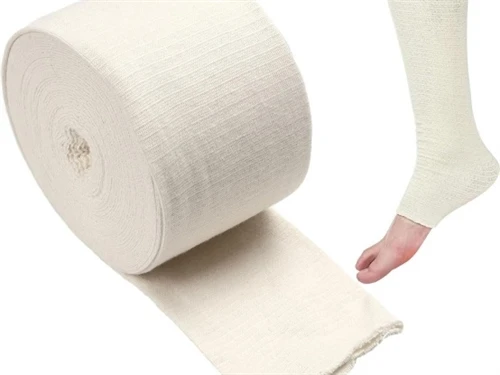
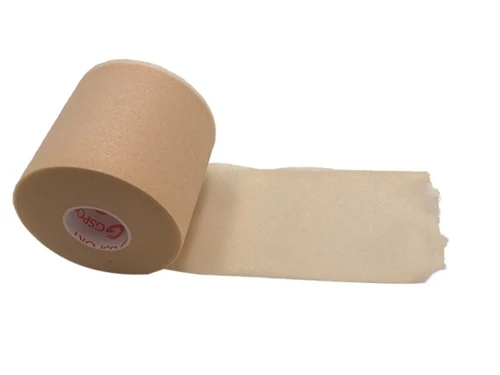
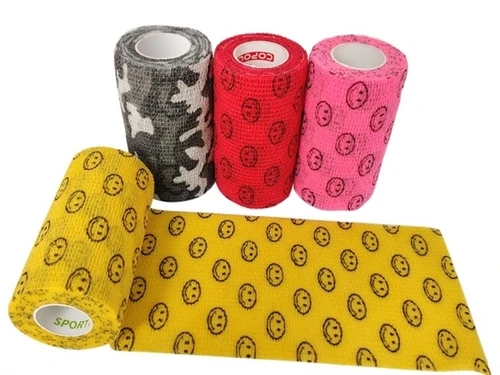
Cohesive bandages, also known as self-adherent wraps, have become an essential component in both professional and personal first aid kits. These versatile bandages stick to themselves but not to skin or hair, making them ideal for a variety of medical and athletic applications. In this article, we will explore the different types of cohesive bandages, their colors, sizes and materials, and common misconceptions of them.
What is a Cohesive Bandage?
A cohesive bandage is a type of bandage that adheres to itself without the need for adhesives, pins, or clips. Made from materials such as cotton, elastic, and latex, these bandages provide compression, support, and protection for injured areas. They are commonly used in sports medicine, veterinary care, and general first aid due to their ease of use and versatility.
Types of Cohesive Bandages
Cohesive bandages come in various types, each designed for specific applications and needs. Below, we categorize them based on their primary uses and features:
1. Standard Cohesive Bandages

Standard cohesive bandages are the most commonly used type, suitable for general first aid and injury support. These bandages are typically made from a blend of cotton and elastic materials, providing moderate compression and support.
Applications: Sprains, strains, securing dressings, and general support.
Benefits: Easy to apply and remove, comfortable to wear, and widely available.
Popular Brands: Coban (3M), Coflex (Andover).
2. Heavy-Duty Cohesive Bandages
Heavy-duty cohesive bandages are designed for situations requiring extra strength and support. These bandages are often thicker and more robust, providing increased compression and stability.
Applications: Severe sprains, joint support, and post-surgical applications.
Benefits: Enhanced durability, higher compression levels, and superior support.
Popular Brands: PowerFlex (Andover), ElastiWrap (Medline).

3. Lightweight Cohesive Bandages

Lightweight cohesive bandages are ideal for situations where minimal support is needed, or for use in warmer climates where breathability is a priority.
Applications: Securing lightweight dressings, finger and toe injuries, and pediatric use.
Benefits: Highly breathable, comfortable, and suitable for delicate areas.
Popular Brands: FlexWrap (3M), MediRip (Hartmann).
4. Water-Resistant Cohesive Bandages
Water-resistant cohesive bandages are designed to maintain their adhesive properties even when exposed to moisture. These are particularly useful for athletes or individuals engaging in water-based activities.
Applications: Swimming, water sports, and humid environments.
Benefits: Reliable adhesion in wet conditions, prevents water ingress.
Popular Brands: AquaFlex (Andover), Waterblock (Elastoplast).

5. Veterinary Cohesive Bandages

Veterinary cohesive bandages are specifically designed for use on animals. They are often made with materials that are safe for animal skin and fur, and they come in a variety of sizes suitable for different species.
Applications: Animal injuries, securing dressings on pets, and livestock care.
Benefits: Animal-safe materials, easy to apply and remove, and durable.
Popular Brands: VetWrap (3M), CoFlex Vet (Andover).
How to Choose the Right Cohesive Bandage
Selecting the right cohesive bandage depends on several factors, including the type and severity of the injury, the area of application, and individual preferences. Here are some tips to help you choose the best cohesive bandage for your needs:
Assess the Injury: Determine the level of support and compression required for the injury. For severe injuries, opt for heavy-duty bandages; for minor injuries, lightweight options may suffice.
Consider the Environment: If you need a bandage for water activities or humid conditions, choose a water-resistant cohesive bandage.
Check for Allergies: If you have sensitive skin, look for hypoallergenic options to prevent allergic reactions.
Size and Fit: Ensure the bandage size matches the area of application. Cohesive bandages come in various widths and lengths, so select one that covers the injured area adequately without being too bulky.
Brand and Quality: Choose reputable brands known for their quality and reliability. High-quality cohesive bandages will provide better support, comfort, and durability.
Different Colors and Sizes
Cohesive bandages come in various colors and sizes, catering to different preferences and needs. Here's a breakdown:
Colors: While white and beige are common, cohesive bandages are also available in a range of colors, which can be useful for color-coding in a medical setting or simply for personal preference.
Sizes: They come in different widths and lengths, making it easy to choose the right size for a specific application. Common widths include 1, 2, 3, and 4 inches.
Different Materials Used in Cohesive Bandages
Understanding the materials used in cohesive bandages can help you choose the right product for your specific needs. Here are some common materials:
Cotton: Cotton is often used for its softness and breathability. It's gentle on the skin and provides a comfortable wearing experience.
Elastic: Elastic materials give the bandage its stretchability, allowing it to conform to the body's contours and provide necessary compression.
Latex: Latex is sometimes used to enhance the bandage's adhesive properties. However, for those with latex allergies, latex-free options are available.
Synthetic Fibers: These are used to enhance durability and strength, making the bandage suitable for more rigorous activities.
Common Misconceptions About Cohesive Bandages
Despite their widespread use, there are some common misconceptions about cohesive bandages:
Limited Use: Some people believe cohesive bandages are only for sports injuries. In reality, they are versatile and suitable for various medical, veterinary, and first aid applications.
Difficulty in Application: While cohesive bandages require proper technique for effective use, they are generally easy to apply and remove with a little practice.
One-Size-Fits-All: Cohesive bandages come in different sizes and types, making it important to choose the right one for specific needs.
Conclusion
Cohesive bandages are an indispensable tool in the realms of sports medicine, first aid, and veterinary care. Their self-adherent properties, combined with the ability to provide compression and support, make them a go-to solution for managing a wide range of injuries. By understanding the different types of cohesive bandages and their specific applications, you can make informed decisions about the best bandage for your needs. Whether you are an athlete, a pet owner, or simply someone looking to enhance your first aid kit, cohesive bandages offer a practical, effective, and versatile solution.