In modern healthcare settings, even the simplest materials can play a critical role in patient outcomes. Among these essentials, nonwoven adhesive tape stands out as a versatile and reliable solution widely used across clinical departments. From securing dressings to supporting medical devices, this type of tape combines comfort, functionality, and safety in a way that meets the demanding needs of both healthcare professionals and patients.
But what exactly is nonwoven adhesive tape, and why has it become such a preferred choice in hospitals and clinics? This article explores its composition, features, advantages, and practical applications, offering a comprehensive understanding of its value in medical care.

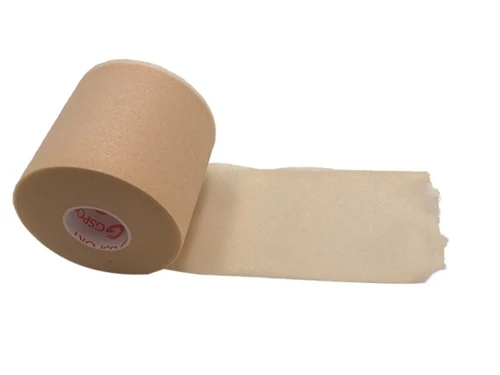
Nonwoven adhesive tape is a medical tape made from nonwoven fabric combined with a medical pressure sensitive adhesive. Unlike traditional woven materials, nonwoven fabrics are created by bonding fibers together through mechanical, thermal, or chemical processes rather than weaving or knitting them. This results in a soft, flexible, and breathable material that is particularly suitable for direct skin contact.
The adhesive component is typically designed to provide moderate adhesion-strong enough to secure dressings and devices, yet gentle enough to allow painless removal without damaging the skin. Because of these characteristics, nonwoven adhesive tape is widely used in clinical environments, including hospitals, outpatient clinics, and home care settings.
Key Features of Nonwoven Adhesive Tape
One of the defining advantages of nonwoven adhesive tape lies in its balanced combination of strength and comfort. The material is gentle and soft on the skin, making it ideal for patients who require frequent dressing changes or long-term taping.
The adhesive is designed to be moderate and skin-friendly. It adheres securely during use but can be peeled away easily without leaving residue. This is particularly important in clinical care, where repeated application and removal are common.
Another important feature is its hypoallergenic nature. Nonwoven adhesive tape is typically latex-free and formulated to minimize the risk of allergic reactions. This makes it suitable for a wide range of patients, including those with sensitive or fragile skin.
Despite its softness, the tape offers high tensile strength. It resists tearing and maintains its integrity during use, even under tension. This ensures reliable performance when securing medical devices or dressings.
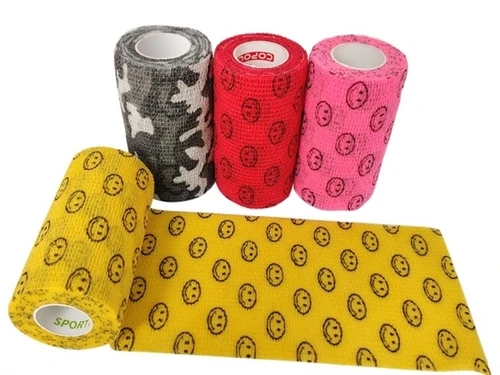
Finally, nonwoven adhesive tape is available in various specifications, including different widths and lengths. This versatility allows healthcare providers to select the most appropriate size for different clinical needs.
Advantages of Nonwoven Adhesive Tape
The popularity of nonwoven adhesive tape is largely due to its ability to meet multiple clinical requirements simultaneously.
Comfort is one of its most significant advantages. The soft, breathable fabric allows air circulation, reducing heat and moisture buildup on the skin. This helps prevent irritation and promotes better skin health, especially during prolonged use.
Skin protection is another key benefit. Because the adhesive is gentle and leaves no residue, it minimizes the risk of skin damage during removal. This is particularly important for elderly patients, infants, and individuals with compromised skin integrity.
Ease of use also contributes to its widespread adoption. Nonwoven adhesive tape is easy to handle, cut, and apply. It conforms well to body contours, making it suitable for use on joints and irregular surfaces.
In addition, its durability ensures that it remains effective throughout its intended use. The high tensile strength prevents breakage, while the adhesive maintains consistent performance over time.
Clinical Applications of Nonwoven Adhesive Tape
Nonwoven adhesive tape is used in a wide range of medical applications. One of its primary uses is securing wound dressings. It holds gauze, pads, or other dressing materials in place, protecting the wound and promoting healing.
It is also commonly used to fix medical devices such as catheters, tubes, and sensors. Its reliable adhesion ensures that these devices remain stable, reducing the risk of displacement or complications.
In surgical settings, nonwoven adhesive tape may be used to secure post-operative dressings or provide additional fixation for bandages. Its gentle removal is especially valuable in these situations, where the skin may be particularly sensitive.
Beyond hospitals, nonwoven adhesive tape is widely used in home healthcare. Patients managing chronic conditions or recovering from surgery can use it safely and comfortably without professional assistance.
When compared with traditional cloth or silk tapes, nonwoven adhesive tape offers superior breathability and comfort. Woven tapes tend to be heavier and less flexible, which can cause discomfort during extended wear.
Paper tapes, another common alternative, are lightweight and gentle but often lack the tensile strength required for more demanding applications. Nonwoven adhesive tape provides a better balance between strength and softness, making it suitable for a broader range of uses.
Plastic or film tapes, while waterproof, may trap moisture and cause skin irritation over time. In contrast, nonwoven adhesive tape allows the skin to breathe, reducing the risk of maceration.
This combination of features makes nonwoven adhesive tape a versatile option that bridges the gap between durability and skin-friendliness.

Why Healthcare Professionals Prefer Nonwoven Adhesive Tape
Healthcare providers often choose nonwoven adhesive tape because it simplifies patient care while improving outcomes. Its gentle adhesion reduces the risk of skin trauma, which is a common concern in clinical practice.
The tape's adaptability also makes it easier to apply in different situations. Whether securing a dressing on a flat surface or wrapping around a joint, it conforms smoothly and stays in place.
Furthermore, the availability of multiple sizes allows clinicians to use the same type of tape across various procedures, improving efficiency and consistency in care.
Considerations for Proper Use
To achieve the best results, nonwoven adhesive tape should be applied to clean, dry skin. Proper surface preparation ensures optimal adhesion and reduces the risk of premature peeling.
When removing the tape, it is recommended to peel it back slowly in the direction of hair growth. This helps minimize discomfort and protects the skin.
Although the tape is hypoallergenic, it is still important to monitor the skin for any signs of irritation, especially during long-term use. Regular inspection and timely replacement can help maintain skin health.
Future Trends in Nonwoven Adhesive Tape
As medical technology continues to evolve, nonwoven adhesive tape is also being improved through advanced materials and manufacturing techniques. Innovations in adhesive formulations aim to further enhance skin compatibility while maintaining strong performance.
There is also growing interest in environmentally friendly nonwoven materials, reflecting a broader shift toward sustainability in healthcare products.
In addition, the integration of antimicrobial properties and advanced coatings may expand the role of nonwoven adhesive tape in infection control and specialized medical applications.
Conclusion
Nonwoven adhesive tape is a fundamental yet highly sophisticated tool in modern healthcare. By combining soft, breathable fabric with a gentle, reliable adhesive, it meets the diverse needs of clinical practice while prioritizing patient comfort and safety.
Its hypoallergenic properties, high tensile strength, and wide range of specifications make it suitable for everything from routine dressing changes to more complex medical applications. Compared with other types of medical tape, it offers a well-balanced solution that does not compromise on performance or skin care.
For healthcare professionals and patients alike, nonwoven adhesive tape represents a dependable choice-one that quietly supports healing, enhances comfort, and contributes to better overall care.