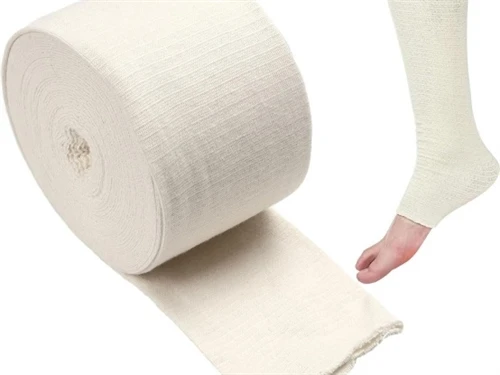
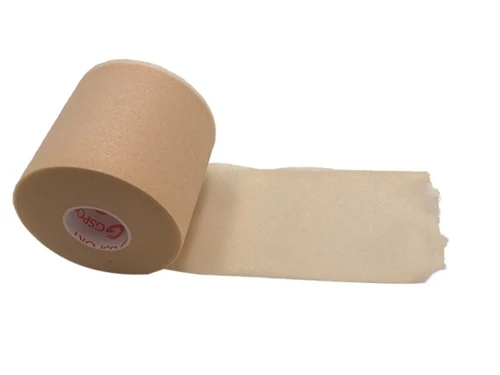
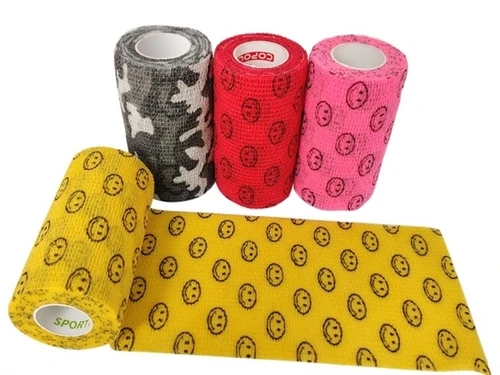
Athletic tape is an essential tool for athletes, trainers, and physiotherapists across various sports and physical activities. From weightlifting and rock climbing to boxing and sparring, athletic tape plays a critical role in protecting muscles and joints, enhancing performance, and preventing injuries. This versatile tape, available in different styles and strengths, can support the wrist, ankle, and muscles without restricting movement, making it ideal for both professional athletes and recreational exercisers.
In this article, we'll explore how athletic tape works, the benefits of using it for various parts of the body, and why this "no-glue" athletic tape, which can be torn by hand, is a game-changer for anyone serious about their workouts.

How Athletic Tape Works
Athletic tape is designed to provide targeted support and stabilization to muscles and joints without interfering with an athlete's natural range of motion. Here's a closer look at how it accomplishes this:
Stabilizing Joints and Ligaments
Athletic tape is commonly used on joints like the wrist and ankle to provide extra stability. When applied correctly, the tape can limit excessive movement, reducing the risk of strains, sprains, and other injuries. For instance, using athletic tape for the wrist can help stabilize it during weightlifting, preventing hyperextension or unnecessary strain during heavy lifts. The tape's material restricts movement slightly, which is beneficial for protecting ligaments that might otherwise stretch or tear.
Supporting Muscles During Intense Activity
For athletes engaging in high-intensity activities, such as rock climbing or boxing, athletic tape provides muscular support by reducing vibration and controlling the movement of the muscles. When applied over the muscles, it compresses the area slightly, helping to alleviate fatigue and prevent overuse. Using athletic tape for muscles, especially on larger muscle groups like calves or forearms, can also improve proprioception-your body's sense of position and movement-helping you maintain better control over your movements.
Pain Relief and Injury Prevention
The slight compression athletic tape provides can help relieve minor aches and pains. This effect is particularly beneficial for athletes who are recovering from injuries and need extra support for vulnerable areas. Additionally, taping techniques can be used to support healing injuries, prevent further damage, and allow athletes to continue their training with minimal discomfort. Athletic tape for ankle support, for example, can help reduce the strain on injured tendons and ligaments while providing extra stability.
Why "No Glue on Your Skin" is Essential
One of the standout features of this athletic tape is the proprietary adhesive that leaves no glue on your skin. Traditional athletic tapes can sometimes be a hassle to remove, especially if the adhesive is too strong, leaving sticky residue that can irritate the skin. Here's why a no-glue athletic tape is a valuable innovation:
Comfortable and Skin-Friendly: By eliminating glue residue, this tape is ideal for people with sensitive skin or those prone to irritation. Since the adhesive is designed to hold firmly without leaving a mark, athletes can use the tape frequently without worrying about damaging their skin.
Easy Application and Removal: This no-glue adhesive makes applying and removing the tape a quick and painless process, even for first-time users. After a workout or event, athletes can simply peel the tape off without scrubbing or using special removers to clean up sticky residue.
Perfect for Various Sports: The no-glue feature is ideal for sports like rock climbing, where grip and comfort are essential. Having clean skin after removing the tape also means less need for additional cleaning products, which is especially useful for multi-day events or competitions.
Why Tearable Tape Matters
This athletic tape is designed to be torn with your fingers, eliminating the need for scissors or other tools. For athletes, this feature adds convenience and efficiency. Here's why the tearable quality is a significant benefit:
Quick Application: In fast-paced environments, such as boxing gyms or climbing events, athletes need to apply and adjust tape quickly. With tearable athletic tape, you can simply wrap, pinch, and tear it to the right length. This speed is invaluable in scenarios where every second counts.
Customizable Fit: Being able to tear the tape to the desired length allows for precise application on different body parts, from smaller joints like fingers to larger areas like ankles or forearms. This adaptability makes it easier to achieve the ideal amount of support without wasting tape.
Convenient for On-the-Go: Athletes often carry tape in their bags, but scissors or cutters aren't always accessible. Tearable athletic tape is practical for on-the-go adjustments, making it possible to prepare for workouts, practice, or competition anytime and anywhere.
Applications of Athletic Tape
Athletic tape can be used to support various parts of the body. Here's how it works in specific applications:
Athletic Tape for Wrist Support
Wrists are susceptible to injury, especially in sports like weightlifting and boxing. Applying athletic tape for wrist support can help stabilize the joint, reducing strain on tendons and ligaments. Taping also limits the range of motion, which is beneficial in preventing hyperextension during heavy lifts or powerful punches. This protection allows athletes to maintain form and avoid potential injuries while building strength.
Athletic Tape for Ankle Stability
Ankle injuries are common in high-impact sports like basketball and running. Athletic tape for ankle support can provide the stability needed to reduce the risk of sprains. By applying tape to the ankle, athletes limit excessive side-to-side movement while still allowing for natural forward motion, which is essential for agility and speed. The added support from the tape gives athletes confidence in their movements, knowing their ankle is protected.
Athletic Tape for Muscles
Using athletic tape for muscles helps reduce fatigue and prevent strains. This application is particularly useful for athletes who perform repetitive motions, such as rock climbers or runners. When taped over large muscle groups like the quadriceps or deltoids, the tape helps control the muscle's vibration, which can alleviate soreness and improve endurance. The compression from the tape also promotes blood flow, which aids in recovery and reduces muscle soreness after a strenuous workout.

How to Use Athletic Tape Effectively
To maximize the benefits of athletic tape, follow these tips for effective application:
Clean and Dry the Area: Make sure the skin is clean and dry to ensure proper adhesion. Sweat, lotion, or oils can reduce the tape's effectiveness.
Use Proper Techniques: Different taping techniques are used depending on the area and purpose. For wrist support, wrap the tape around the joint in a figure-eight pattern for added stability. For muscles, apply the tape along the muscle fibers for optimal support.
Don't Over-Tighten: Athletic tape should be snug but not too tight, as excessive compression can restrict blood flow. Make sure you can move comfortably and that the tape doesn't cut off circulation.
Remove Gently: After your workout, carefully remove the tape to avoid skin irritation, especially if it has been on for extended periods. Since this tape leaves no glue on your skin, removal should be a breeze.
Conclusion
Athletic tape is more than just a tool for injury prevention-it's a versatile accessory that enhances performance, provides comfort, and protects muscles and joints across various activities. This no-glue, tearable athletic tape brings convenience, skin-friendliness, and adaptability to the next level, making it a must-have for athletes in sports ranging from weightlifting and rock climbing to boxing and sparring.
Whether you're using athletic tape for wrist support, ankle stability, or muscle protection, it's clear that this product plays an invaluable role in supporting your body during intense activities. By incorporating athletic tape into your routine, you can train harder, recover faster, and reduce the risk of injuries, helping you reach new heights in your athletic journey.