Whether you're an elite athlete, a dedicated weekend warrior, or a physiotherapist working with injury prevention, you've likely encountered a common challenge-stability. When muscles fatigue or joints feel vulnerable, many turn to taping as the first line of defense. While flexible kinesiology tape has its place, there's another type of tape that delivers uncompromising stability and strength: rigid tape.
So, what exactly is rigid tape, and why is it a go-to solution for high-impact sports and injury-prone joints? In this article, we'll break down the unique features of rigid athletic tape, explore its key benefits, and explain when and how to use it-especially for critical areas like the rigid tape ankle wrap.
What is Rigid Tape?
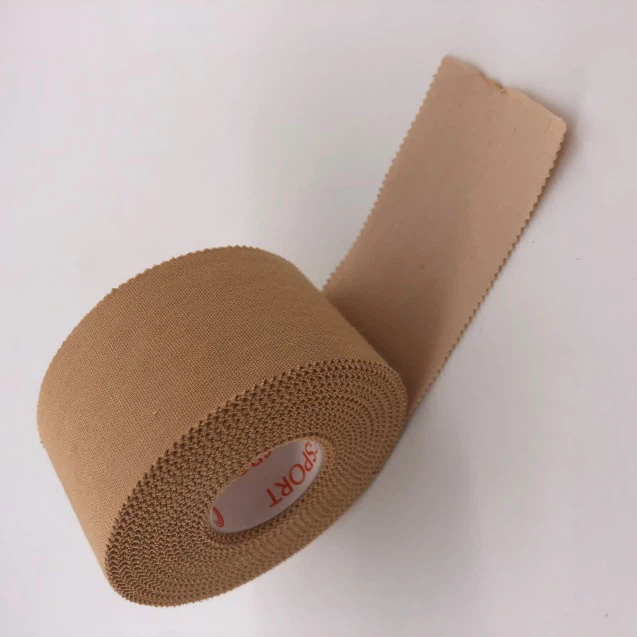
Rigid tape is a non-elastic adhesive tape specifically designed to restrict movement and provide firm support to joints, tendons, and ligaments. Unlike elastic tapes that stretch and move with the body, rigid tape is built to limit motion, stabilize structures, and help prevent or recover from injuries.
This type of tape is a staple in sports medicine, physical therapy, and athletic training rooms worldwide. It is most commonly applied to high-risk joints like ankles, shoulders, knees, and wrists, where control and restriction are critical.
More Support, More Strength
One of the biggest selling points of rigid tape is exactly that-rigidity. When you're dealing with unstable joints or trying to protect an area from over-extension or re-injury, flexibility is not your friend. You need support. You need strength.
Rigid tape provides both. Once applied, it acts like an external brace, locking a joint or muscle group into a limited range of motion. This reduces the risk of sudden movements that could worsen an injury or cause strain. For athletes returning to play after a sprain or instability, this controlled reinforcement is key.
In high-intensity sports like football, basketball, rugby, or CrossFit, where quick cuts, pivots, and pressure are unavoidable, rigid athletic tape offers a level of structural control that elastic tape simply cannot match.
The Go-To for Ankle Support
When it comes to tape application, perhaps no joint gets more attention than the ankle. And for good reason-it's one of the most commonly injured areas in sports. Whether you're rehabbing from a sprain or protecting a weak joint from recurring injury, the rigid tape ankle technique is one of the most effective preventive measures available.
By wrapping the ankle in a firm, structured pattern, rigid tape can significantly reduce lateral and rotational movement. It's particularly helpful for athletes with a history of ankle sprains or chronic instability.
Many professional teams apply rigid tape ankle wraps before every practice and game, not just for those recovering from injury, but as a proactive way to reinforce the joint under stress.
Non-Elastic by Design
One of the defining features of rigid tape is that it is completely non-elastic. While this may sound limiting, it's actually one of the tape's greatest strengths.
Elastic tapes can stretch and retract, which is useful for muscle activation and promoting blood flow. But when the goal is restriction-to physically prevent a joint from moving beyond a certain angle or range-elasticity is counterproductive.
Rigid tape is designed to stay in place and hold firm, even under pressure. Its non-stretch construction ensures that once it's applied, it won't give, sag, or shift throughout a game or workout.
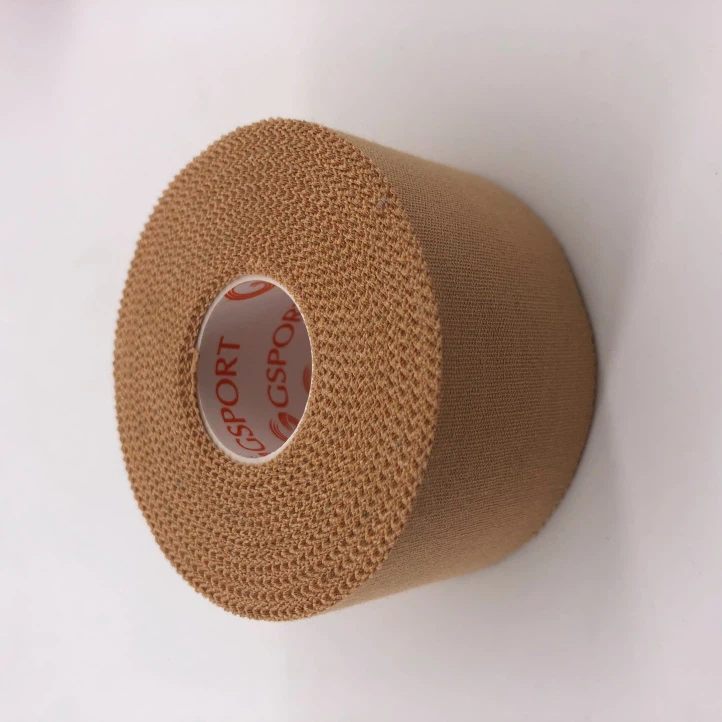
Natural Skin Color for Discreet Use
Another subtle yet valuable feature of rigid athletic tape is that many versions come in a neutral skin tone. This makes the tape discreet and professional-looking-especially useful in clinical or competitive environments.
Whether you're taping a visible joint like the shoulder or ankle, or using it under a uniform, the skin-colored design allows it to blend in, minimizing distraction while maintaining a clean, low-profile appearance.
For athletes who want support without standing out, or for those involved in media-covered events, this detail matters more than you might think.
Easy to Tear, Easy to Apply
Despite its tough performance, rigid tape is remarkably easy to tear by hand, making application fast and efficient. Athletic trainers, physical therapists, and even individuals taping themselves can easily rip the tape to the desired length without the need for scissors.
This feature also makes it ideal for on-the-go use. Whether you're courtside, on the field, or in a locker room, having a tape that's strong and supportive yet quick to apply can make all the difference in performance and safety.
Ideal for Taping Techniques and Joint Protection
Rigid tape is commonly used in a variety of specialized taping techniques designed to protect, stabilize, and rehabilitate. Some popular methods include:
Ankle taping: Reduces risk of inversion injuries and supports ligament healing
Shoulder taping: Assists with rotator cuff support and limits excessive movement
Knee and patella taping: Helps with tracking issues and post-injury control
Thumb and wrist taping: Popular in sports like volleyball and weightlifting to prevent hyperextension
Because it holds its form under pressure and movement, rigid tape ensures consistent performance across all these applications.
Who Should Use Rigid Tape?
Rigid tape is especially valuable for:
Athletes in contact or high-impact sports like rugby, football, or basketball
Physiotherapists and athletic trainers dealing with injury prevention or rehabilitation
Anyone recovering from joint instability or ligament injuries
Those with a history of sprains or chronic joint issues
It's not a replacement for proper conditioning or medical care, but it's an excellent support tool when used correctly.
Conclusion
When performance matters and injury risk is high, the right support can mean the difference between staying in the game and sitting on the sidelines. Rigid tape delivers unmatched structural reinforcement, making it the preferred choice for serious athletes, trainers, and therapists around the world.
From the rigid tape ankle wrap to more advanced shoulder or knee applications, this non-elastic, skin-colored, easy-to-tear tape gives you the control and confidence to push harder, move safely, and recover better.
So next time you're prepping for competition or helping someone manage joint strain, reach for a solution built on strength. Reach for rigid tape-and lock in stability where it counts most.