Author's Biography
Rosy Chen
Rosy Chen is a content author at GSPMed, specializing in sports rehabilitation, pharmaceutical compliance, medical devices, and healthcare industry insights. She is dedicated to delivering accurate, professional, and easy-to-understand content for global readers.

Adhesive tapes are among the most widely used products in healthcare, sports medicine, and first aid. Although they may appear simple, different adhesive tapes are designed for very different purposes. Choosing the right tape can significantly affect patient comfort, wound care efficiency, skin protection, and long-term performance.
Among the most commonly used options are nonwoven adhesive tape and zinc oxide adhesive tape. Both products are widely trusted in hospitals, clinics, rehabilitation centers, and home care settings, yet they differ greatly in structure, adhesion strength, comfort level, and intended application.
So how do these two adhesive tapes compare? This article explores the features, advantages, and practical uses of nonwoven adhesive tape and zinc oxide adhesive tape, helping users understand which product is best suited for different situations.
What is Nonwoven Adhesive Tape?
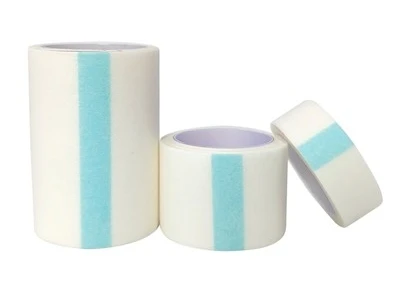
Nonwoven adhesive tape is a soft medical tape made from nonwoven fabric materials combined with a pressure-sensitive adhesive. Unlike woven cloth tapes, nonwoven tapes are produced by bonding fibers together mechanically or chemically, resulting in a lightweight and breathable structure.
This type of adhesive tape is primarily designed for gentle skin contact. It is commonly used to secure dressings, gauze pads, catheters, and lightweight medical devices. Because of its soft texture and hypoallergenic adhesive, it is especially suitable for sensitive skin and long-term use.

What is Zinc Oxide Adhesive Tape?
Zinc oxide adhesive tape is a stronger and more durable medical tape typically made with a cotton cloth backing coated with zinc oxide adhesive. It is known for its firm adhesion and reliable fixation under demanding conditions.
Originally popular in sports medicine and orthopedic care, zinc oxide adhesive tape is now widely used in hospitals and rehabilitation settings as well. Its strong bonding capability makes it ideal for applications requiring stability, support, or secure fixation.
Unlike nonwoven adhesive tape, zinc oxide tape focuses more on strength and durability than softness.

Material Structure and Design Differences
One of the biggest differences between these two tapes lies in their construction.
Nonwoven adhesive tape uses a soft, breathable nonwoven fabric. This structure allows airflow and creates a gentle surface that feels comfortable on the skin. The material is flexible and lightweight, making it ideal for areas requiring comfort and adaptability.
Zinc oxide adhesive tape uses a woven cotton backing that provides greater strength and resistance to stretching. This gives the tape better structural support and durability during movement or under tension.
As a result, nonwoven adhesive tape prioritizes skin comfort, while zinc oxide adhesive tape prioritizes firm fixation and support.
Adhesion Strength Comparison
Adhesion is one of the most important factors when selecting an adhesive tape.
Nonwoven adhesive tape provides moderate adhesion. It is designed to stay securely in place while remaining gentle during removal. The adhesive peels away smoothly without leaving significant residue on the skin. This is particularly important for elderly patients, children, or individuals with sensitive skin.
In contrast, zinc oxide adhesive tape offers much stronger adhesion. It performs reliably across different skin colors, skin textures, weather conditions, and temperatures. Even during sweating, physical activity, or humid environments, zinc oxide tape maintains its hold effectively.
For high-movement areas or situations requiring long-lasting fixation, zinc oxide adhesive tape generally performs better. However, for delicate skin or frequent tape changes, nonwoven adhesive tape is often the safer and more comfortable option.
Skin Compatibility and Hypoallergenic Properties
Skin compatibility is where nonwoven adhesive tape has a significant advantage.
Because it is hypoallergenic and specifically designed for gentle skin contact, nonwoven adhesive tape reduces the risk of redness, irritation, and discomfort. The soft material minimizes friction, while the moderate adhesive helps prevent skin trauma during removal.
This makes it highly suitable for post-surgical care, pediatric applications, and long-term dressing fixation.
Zinc oxide adhesive tape is also widely tolerated, but its stronger adhesive may cause discomfort for individuals with highly sensitive skin, especially after prolonged wear. However, the zinc oxide component itself has mild protective properties and is generally safe for normal skin types.
For patients requiring maximum skin protection, nonwoven adhesive tape is usually the preferred choice.
Strength and Durability
When it comes to tensile strength and durability, zinc oxide adhesive tape generally leads in performance.
Its woven cotton backing gives it excellent resistance to tearing and stretching. This makes it ideal for joint stabilization, sports taping, and securing heavy dressings.
Nonwoven adhesive tape, however, also offers surprisingly high tensile strength despite its softer structure. It is not easy to break during normal use and can maintain stable fixation for lightweight medical applications.
Still, for high-stress environments involving movement, sweat, or external pressure, zinc oxide adhesive tape offers superior durability.
Ease of Use
Both tapes are designed with user convenience in mind, but they achieve this differently.
Nonwoven adhesive tape is lightweight, flexible, and easy to apply to curved or delicate body areas. It conforms naturally to the skin and can usually be cut easily to the desired size.
Zinc oxide adhesive tape often includes a zigzag edge design, allowing users to tear it cleanly by hand without scissors. This feature is particularly valuable in emergency care, sports fields, or fast-paced clinical settings.
The choice here depends largely on the application environment. For quick, strong fixation, zinc oxide tape offers speed and simplicity. For delicate and precise applications, nonwoven tape provides better control and comfort.
Breathability and Comfort
Breathability is another area where nonwoven adhesive tape excels.
Its porous structure allows air circulation, helping reduce moisture buildup and improving patient comfort during long wear periods. This breathable design supports skin health and reduces the risk of maceration.
Zinc oxide adhesive tape is generally less breathable due to its denser woven structure and stronger adhesive coating. While it still allows some airflow through the cotton backing, it is not as ventilated as nonwoven tape.
For applications requiring extended wear on sensitive skin, nonwoven adhesive tape often provides a more comfortable experience.
Common Applications
Nonwoven adhesive tape is commonly used for:
Securing wound dressings
Post-surgical fixation
Pediatric and elderly patient care
Catheter and tubing fixation
Sensitive skin applications
Zinc oxide adhesive tape is commonly used for:
Sports taping and joint support
Orthopedic fixation
Securing heavy dressings
Athletic injury prevention
High-movement or high-moisture environments
These application differences reflect the core strengths of each tape.
Specifications and Product Flexibility
Both nonwoven adhesive tape and zinc oxide adhesive tape are available in various specifications, widths, and lengths to meet different clinical and professional needs.
Nonwoven adhesive tape often emphasizes adaptability for medical dressing applications, while zinc oxide tape offers more options for support and stabilization purposes.
The availability of multiple sizes ensures both products can serve a wide range of users and treatment scenarios.
Which Adhesive Tape Should You Choose?
The decision between nonwoven adhesive tape and zinc oxide adhesive tape depends on the intended use.
If the priority is gentle skin care, comfort, breathability, and hypoallergenic performance, nonwoven adhesive tape is the better option. It is especially suitable for sensitive skin, frequent dressing changes, and long-term wear.
If the priority is strong adhesion, durability, and stable fixation under challenging conditions, zinc oxide adhesive tape is the more effective choice. It performs particularly well in sports medicine, rehabilitation, and active environments.
In many professional settings, both tapes are used together because they serve complementary purposes.
Conclusion
Nonwoven adhesive tape and zinc oxide adhesive tape each offer unique advantages that make them valuable in medical, sports, and everyday care.
Nonwoven adhesive tape stands out for its softness, hypoallergenic design, and patient comfort. Zinc oxide adhesive tape excels in strength, durability, and reliable fixation.
Rather than competing directly, these two adhesive tapes address different clinical and practical needs. Understanding their differences allows healthcare professionals, athletes, and caregivers to select the right product for the right situation.
In modern healthcare and support applications, having the right adhesive tape is not just about convenience-it is about achieving better comfort, protection, and performance.