Adhesive tapes play an essential role in modern healthcare, sports care, industrial protection, and daily wound management. While many people focus only on adhesive strength, the structure and material of the tape itself can significantly affect comfort, durability, breathability, and overall performance. Among the most widely used products are PE adhesive tape and PE foam adhesive tape. Although both are based on polyethylene (PE) materials, they are designed for different applications and user needs.
Understanding the differences between these two adhesive tape types is important for selecting the right product in medical, clinical, and professional environments. From lightweight transparent fixation to cushioned long-term adhesion, each tape offers unique functional advantages. This article explores PE adhesive tape vs PE foam adhesive tape in detail, comparing their materials, structures, features, applications, and overall benefits.
What is PE Adhesive Tape?
PE adhesive tape is a polyethylene-based medical tape designed primarily for fixation and secure attachment. It is typically made from a transparent plastic film combined with a pressure-sensitive adhesive coating. The tape is lightweight, breathable, easy to remove, and widely used in hospitals and clinics.
One of the key characteristics of PE adhesive tape is its clear appearance. The transparent film allows healthcare providers to monitor the skin or dressing underneath without removing the tape. This visibility is particularly useful for wound observation and catheter fixation.
The tape also features moderate adhesive strength. It adheres securely while remaining gentle enough to peel off softly without leaving residue on the skin. This balance between adhesion and comfort makes it suitable for routine medical applications.

Key Features of PE Adhesive Tape
PE adhesive tape offers several important functional advantages.
First, it is breathable despite being made from plastic material. Micro-perforations or breathable film structures allow air circulation, helping maintain skin comfort during wear.
Second, it is easy to peel off. The adhesive is designed to release smoothly, reducing discomfort and minimizing skin trauma during removal.
Third, the tape is hypoallergenic. This makes it suitable for sensitive skin and reduces the likelihood of allergic reactions during prolonged use.
Another major benefit is its high tensile strength. PE adhesive tape resists tearing and stretching, ensuring reliable fixation even during movement. This durability is especially useful in clinical environments where secure attachment is essential.
Finally, it is available in various specifications. Different widths and lengths allow healthcare providers to select the appropriate size for specific clinical needs, from securing small dressings to stabilizing larger medical devices.
What is PE Foam Adhesive Tape?
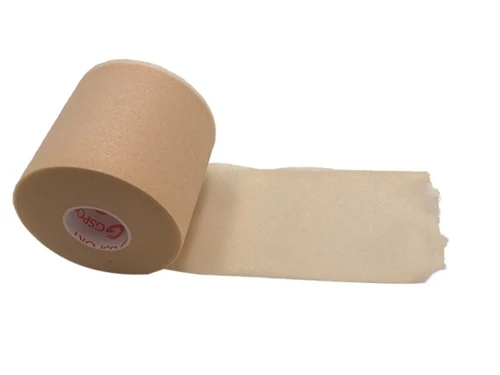
PE foam adhesive tape is a more cushioned and flexible adhesive product built on a polyethylene foam structure rather than a flat film. Unlike standard PE adhesive tape, PE foam adhesive tape includes a soft, porous foam layer that provides enhanced comfort, pressure absorption, and adaptability.
This tape is commonly used when longer adhesive duration, skin cushioning, or irregular surface conformity is required. The foam structure allows it to mold closely to body contours while maintaining strong adhesion over time.
PE foam adhesive tape also offers excellent heat resistance and long-lasting bonding performance. These properties make it suitable for extended wear applications in both medical and industrial environments.

Key Features of PE Foam Adhesive Tape
The most noticeable feature of PE foam adhesive tape is its prolonged adhesive time. The adhesive layer is designed to remain stable and effective for longer periods, even in challenging conditions involving heat, moisture, or movement.
Its strong and solid viscose adhesive improves attachment reliability while maintaining flexibility. This makes the tape especially suitable for applications where device stability is critical.
Another important advantage is softness and comfort. The foam structure creates a cushioned interface between the tape and the skin, reducing pressure and friction. This allows the tape to conform completely to the body without causing stiffness or discomfort.
The porous PE foam structure enhances breathability. Tiny air channels within the foam improve airflow and reduce moisture buildup, helping prolong wear time and maintain skin health.
Structural Differences Between PE Adhesive Tape and PE Foam Adhesive Tape
The main difference between these two products lies in their construction.
PE adhesive tape uses a thin plastic film backing. This creates a lightweight, transparent, and highly durable tape primarily intended for secure fixation.
PE foam adhesive tape, on the other hand, incorporates a foam layer between the adhesive and the outer surface. This additional thickness provides cushioning, flexibility, and shock absorption.
As a result, PE adhesive tape is generally thinner and more discreet, while PE foam adhesive tape offers greater comfort and adaptability.
Adhesion Performance Comparison
Both tapes provide reliable adhesion, but they are optimized for different priorities.
PE adhesive tape focuses on moderate adhesive strength combined with easy removal. It is ideal for situations where tapes may need to be replaced frequently or where skin sensitivity is a concern.
PE foam adhesive tape emphasizes prolonged adhesion and stronger bonding stability. Its adhesive remains effective over longer wear periods and under more demanding conditions such as heat or constant movement.
For short-term fixation and routine clinical use, PE adhesive tape is often sufficient. For long-term applications or areas exposed to friction and stress, PE foam adhesive tape offers additional security.
Comfort and Skin Interaction
Comfort is another major point of difference.
PE adhesive tape is lightweight and flexible, but because it uses a flat plastic film structure, it provides minimal cushioning. It works well for lightweight dressings and low-pressure applications.
PE foam adhesive tape offers significantly greater comfort due to its soft foam layer. The cushioning effect reduces pressure on sensitive skin and improves wearability during prolonged use.
For patients with fragile skin or situations involving extended wear, PE foam adhesive tape often provides a more comfortable experience.
Breathability and Moisture Control
Both products are breathable, but they achieve this differently.
PE adhesive tape uses breathable film technology or perforations to allow airflow while maintaining a protective barrier.
PE foam adhesive tape relies on its porous foam structure, which naturally contains air channels. This not only improves ventilation but also helps manage moisture more effectively.
In high-sweat or warm environments, PE foam adhesive tape may offer superior comfort because of its enhanced moisture control.
Applications of PE Adhesive Tape
PE adhesive tape is commonly used for:
Securing wound dressings
Fixing catheters and tubing
General clinical fixation
Short-term medical applications
Situations requiring visibility of the skin underneath
Its transparent appearance and easy removal make it highly practical for everyday medical use.
Applications of PE Foam Adhesive Tape
PE foam adhesive tape is often used for:
Long-term device fixation
Pressure reduction and cushioning
Sensitive or irregular skin surfaces
Protective padding applications
Situations requiring extended wear and stronger adhesion
Its softness and durability make it suitable for more demanding or prolonged applications.
Which Adhesive Tape is Better?
The answer depends on the intended use.
If the priority is lightweight fixation, transparency, easy peeling, and versatility, PE adhesive tape is an excellent choice. It performs especially well in routine clinical environments where tapes are replaced frequently.
If the goal is prolonged adhesion, enhanced comfort, cushioning, and adaptability to body contours, PE foam adhesive tape offers clear advantages.
Rather than competing directly, these two tapes complement each other by serving different needs.
Conclusion
The comparison between PE adhesive tape and PE foam adhesive tape highlights how material design influences performance, comfort, and application suitability.
PE adhesive tape delivers reliable fixation, transparency, hypoallergenic protection, and high tensile strength in a lightweight format. PE foam adhesive tape adds cushioning, prolonged adhesion, heat resistance, and superior adaptability through its porous foam structure.
Both products play important roles in healthcare and professional settings, and choosing the right one depends on the specific requirements of the application.
By understanding the strengths of each adhesive tape type, healthcare providers, distributors, and end users can make more informed decisions that improve both performance and comfort.