Athletic tape is an essential tool in the world of sports medicine, injury prevention, and athletic performance. It's widely used by athletes, trainers, and healthcare professionals to protect joints, support muscles, and prevent injuries during physical activities. While athletic tape may seem simple, its benefits and applications are vast, making it an indispensable part of any athlete's toolkit.
In this comprehensive guide, we will explore what athletic tape is, its key features, benefits, common uses, and how it can enhance athletic performance. By the end of this article, you'll have a deeper understanding of why athletic tape is a go-to solution for athletes of all levels.
What is Athletic Tape?
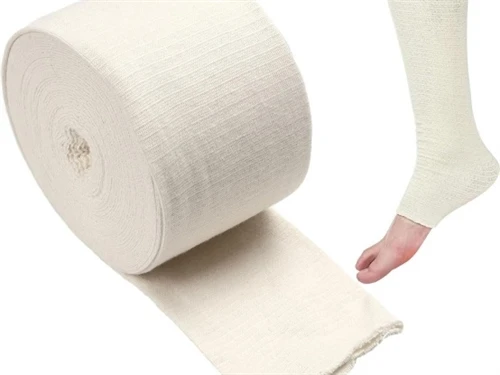
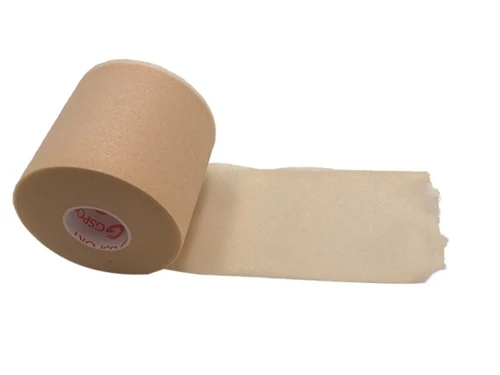
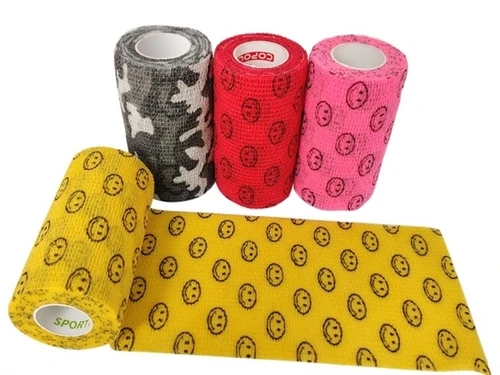
Athletic tape is a type of non-elastic adhesive tape made from 100% cotton. It is specifically designed to provide support, protect joints, and reduce the risk of injuries during sports and physical activities. Unlike elastic tapes that stretch, athletic tape remains rigid once applied, offering a firm and supportive hold that helps stabilize joints and muscles.
The tape is hand-tearable, which makes it easy to use during training or on the sidelines without needing scissors. Its non-irritating adhesive ensures that it stays securely in place without causing discomfort or skin irritation, making it ideal for extended wear.

Key Features of Athletic Tape
1. 100% Cotton and Non-Elastic
Athletic tape is made from high-quality cotton, which provides a soft, breathable feel against the skin. The cotton material is non-elastic, meaning it doesn't stretch, which is crucial for providing firm support to joints and muscles. This rigidity helps prevent excessive movement that could lead to strains, sprains, or other injuries.
2. Non-Irritating
One of the standout features of athletic tape is its skin-friendly adhesive. The non-irritating adhesive is designed to stay in place during intense activity without causing itching, redness, or discomfort. This makes it suitable for all skin types, including those with sensitive skin, ensuring a comfortable experience every time it's used.
3. Hand Tearable
Athletic tape is designed to be easy to use, even in fast-paced environments like sports games or training sessions. It can be easily torn by hand, eliminating the need for scissors and making it quick to apply. This feature is especially useful for athletes and trainers who need to make rapid adjustments on the go.
4. Protects Joints and Muscles
One of the primary uses of athletic tape is to protect joints and muscles from injury. By restricting movement in vulnerable areas, the tape helps to stabilize joints, reduce the risk of sprains, and support muscles during high-impact activities. This is particularly important for sports that involve sudden movements, twists, or heavy physical contact.
5. Supports Joints and Muscles
Athletic tape not only protects but also supports. It provides a secure layer of reinforcement that helps maintain proper joint alignment and muscle function. This support can improve overall performance by allowing athletes to push their limits with confidence, knowing they have an extra layer of protection.
6. Enhances Athletic Performance
Beyond protection, athletic tape can also enhance athletic performance by offering increased grip and traction. When applied to equipment like baseball bats, hockey sticks, or tennis rackets, the tape can improve an athlete's grip, providing better control and precision. This added traction can be a game-changer in sports where equipment handling is crucial.

Benefits of Athletic Tape
Athletic tape is more than just a tool for injury prevention; it's a performance enhancer that offers numerous benefits to athletes of all levels. Here's a closer look at some of the key advantages of using athletic tape:
1. Injury Prevention
The primary benefit of athletic tape is its ability to prevent injuries. By providing support and stabilization, it helps reduce the risk of common sports injuries like sprains, strains, and dislocations. This is especially important in high-impact sports where the risk of injury is higher.
2. Enhanced Recovery
For athletes recovering from an existing injury, athletic tape can provide additional support during the healing process. It helps to limit excessive movement, protecting the injured area and allowing it to heal properly. This support can also reduce pain and discomfort, making the recovery period more manageable.
3. Improved Performance and Confidence
Athletes who use athletic tape often report improved performance, as the added support allows them to move with greater confidence and stability. Knowing that joints and muscles are reinforced can boost an athlete's mental game, leading to better focus and execution during competition.
4. Versatility Across Sports and Activities
Athletic tape is not limited to a single sport or activity. It's used across a wide range of sports, from football and basketball to gymnastics and tennis. Its versatility makes it a must-have for athletes of all kinds, as it can be adapted to fit the specific needs of any sport or physical challenge.
5. Increased Grip for Equipment
One often overlooked benefit of athletic tape is its ability to enhance grip traction for sports equipment. Whether wrapped around the handle of a baseball bat, a hockey stick, or a tennis racket, the tape provides a textured surface that improves grip, helping athletes maintain control during play.
6. Cost-Effective Protection
Compared to other protective gear, athletic tape is relatively inexpensive and offers a cost-effective way to reduce the risk of injury. It's easy to use, readily available, and provides immediate benefits without the need for specialized equipment or tools.
Common Uses of Athletic Tape
Athletic tape is a versatile tool that can be used in a variety of ways, depending on the needs of the athlete or the situation. Here are some of the most common uses of athletic tape:
1. Joint Stabilization
Athletic tape is frequently used to stabilize joints that are prone to injury, such as ankles, wrists, and knees. By wrapping these areas with tape, athletes can limit unwanted movement, providing added protection during dynamic activities.
2. Muscle Support
Muscle strains are a common issue for athletes, and athletic tape can help support these muscles by providing compression and stability. This support can reduce muscle fatigue and help prevent strains, particularly in high-stress areas like the calves, hamstrings, and shoulders.
3. Preventing Blisters and Abrasions
In sports that involve repetitive movements, such as running or rowing, athletic tape can be used to prevent blisters and abrasions. By applying tape to high-friction areas, athletes can protect their skin and reduce the risk of painful blisters.
4. Rehabilitation and Post-Injury Care
Athletic tape is an important tool in rehabilitation and post-injury care. It helps to restrict movement in injured areas, reducing the strain on healing tissues and promoting a faster recovery. Physical therapists often use athletic tape as part of their treatment plans for patients recovering from sports injuries.
5. Enhancing Grip and Equipment Control
For athletes who rely on equipment, such as baseball players, tennis players, and hockey players, athletic tape can be wrapped around handles to improve grip and control. This enhanced grip can make a significant difference in performance, especially in sports where precision and control are key.
How to Apply Athletic Tape
Proper application of athletic tape is crucial to its effectiveness. Here are some basic steps to ensure that the tape provides the desired support and protection:
Clean and Dry the Skin: Before applying tape, make sure the skin is clean, dry, and free of oils or lotions. This will help the tape adhere better and reduce the risk of slippage.
Position the Joint or Muscle: Place the joint or muscle in a slightly flexed position that is comfortable and stable. This helps ensure that the tape is applied with the correct tension.
Apply Anchor Strips: Start by applying anchor strips around the area to create a base layer. This will help secure the tape and provide a starting point for the rest of the application.
Wrap the Tape Firmly but Not Too Tight: Wrap the tape around the area with firm, even pressure. Avoid wrapping too tightly, as this can restrict circulation and cause discomfort.
Smooth Out the Tape: Once the tape is applied, smooth it out to ensure there are no wrinkles or folds that could cause irritation. The tape should lie flat against the skin for maximum effectiveness.
Check for Comfort and Mobility: After application, check that the tape provides the desired level of support without restricting movement too much. Make any necessary adjustments to ensure a comfortable fit.

Conclusion
Athletic tape is a powerful tool for protecting joints and muscles, enhancing athletic performance, and preventing injuries. Its non-elastic, 100% cotton design provides the perfect balance of support and comfort, making it a preferred choice for athletes and medical professionals alike. Whether you're an elite athlete or a weekend warrior, athletic tape offers a simple, effective way to stay in the game and perform at your best.
From stabilizing joints to improving grip on equipment, athletic tape's versatility and ease of use make it an invaluable addition to any athletic or first aid kit. Understanding how to use and apply it properly can help you maximize its benefits, providing you with the support you need to excel in your sport or activity.
If you're looking for a reliable way to enhance your performance, protect your body, and keep injuries at bay, athletic tape is the solution you've been searching for.