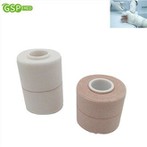
When it comes to preventing and treating sports injuries, two types of tape stand out as essential tools: athletic tape and kinesiology tape. Both are used to support muscles, joints, and ligaments, but they differ significantly in their materials, applications, and effects. For athletes, physical therapists, and anyone involved in injury prevention and rehabilitation, understanding the differences between these tapes is crucial.
In this article, we will dive deep into the distinctions between athletic tape and kinesiology tape, covering their key characteristics, benefits, and specific uses, so you can choose the right tape for your needs.

What is Athletic Tape?
Key Features of Athletic Tape
100% Cotton and Non-Elastic
Athletic tape is made from high-quality, non-elastic cotton material. This lack of elasticity allows the tape to provide rigid support, stabilizing joints and muscles effectively. The non-stretch nature of athletic tape is one of its defining characteristics, making it suitable for immobilizing areas and preventing excessive movement.
Non-Irritating
Another important feature of athletic tape is its hypoallergenic properties. Athletic tape is designed to be non-irritating to the skin, making it comfortable to wear for extended periods. It's often used on sensitive skin without causing discomfort or allergic reactions.
Hand-Tearable
Convenience is key when dealing with injuries, and athletic tape excels in this aspect. It is hand-tearable, meaning that no scissors or tools are required to cut the tape. This makes it ideal for quick applications, especially during games or training sessions when time is of the essence.
Benefits of Athletic Tape
Protection for Joints and Muscles
Athletic tape is primarily used to protect joints and muscles from injury. Its firm, non-elastic nature allows it to secure vulnerable areas, such as ankles, wrists, and knees, providing stability and preventing overstretching or overuse during physical activity. This is particularly useful in high-impact sports where sudden movements can lead to sprains or strains.
Prevention of Sports Injuries
One of the main purposes of athletic tape is injury prevention. By limiting the range of motion in certain joints, athletic tape helps prevent common sports injuries, such as ankle sprains, muscle tears, and ligament damage. It acts as a protective barrier, reducing the likelihood of injury during high-intensity sports like basketball, soccer, and rugby.
Support During Recovery
In addition to injury prevention, athletic tape can also be used to support injured areas during the recovery process. By keeping muscles and joints stable, the tape aids in healing while allowing the athlete to continue with some level of physical activity without risking further injury.
Grip Traction Enhancement
Athletic tape isn't limited to the body; it can also be applied to sports equipment. Many athletes use athletic tape to enhance grip on items like baseball bats, hockey sticks, and tennis rackets. By improving grip traction, the tape helps athletes maintain better control over their equipment, potentially enhancing performance and reducing hand fatigue.

What is Kinesiology Tape?
Key Features of Kinesiology Tape
High-Quality, High-Strength Sand Cotton Cloth
Kinesiology tape is made from a high-strength, stretchable fabric known as sand cotton cloth. This material offers durability and flexibility, making it ideal for supporting muscles and joints without restricting movement. The construction of kinesiology tape allows it to conform to the body's natural contours, providing a snug yet comfortable fit.
Medical Pressure-Sensitive Adhesive
Unlike traditional tapes, kinesiology tape is equipped with medical-grade pressure-sensitive adhesive. This ensures that the tape stays in place even during intense physical activity, while also being gentle on the skin. The adhesive is designed to last, making the tape water-resistant and durable enough to withstand showers, sweat, and swimming.
Breathable and Durable
One of the standout features of kinesiology tape is its breathability. The cotton fabric allows air to circulate, preventing moisture buildup and reducing the risk of skin irritation. Additionally, kinesiology tape is durable enough for long-term use, lasting several days when applied correctly.
Stretchable and Flexible
Unlike athletic tape, kinesiology tape is highly elastic, offering up to 180% stretch compared to its original length. This elasticity enables the tape to move with the body, providing dynamic support to muscles and joints without restricting the range of motion. Kinesiology tape is often used to alleviate pain and promote recovery by lifting the skin slightly, which creates space for better circulation and reduces pressure on the affected area.
Benefits of Kinesiology Tape
Support Without Limiting Mobility
One of the main advantages of kinesiology tape over athletic tape is that it supports muscles and joints without restricting movement. Its elastic properties allow athletes to maintain their full range of motion while still receiving the support they need to protect and stabilize vulnerable areas. This is especially useful in sports like swimming, gymnastics, and running, where flexibility is crucial.
Pain Relief and Recovery
Kinesiology tape is often used as part of a treatment plan for muscle pain, joint injuries, and inflammation. The tape's ability to lift the skin slightly helps improve blood flow and lymphatic drainage, reducing swelling and promoting faster recovery. It can also help relieve pain by reducing pressure on nerve endings and providing gentle support to the injured area.
Improved Muscle Function
By supporting muscles and joints, kinesiology tape can enhance athletic performance. Athletes often use kinesiology tape to improve muscle function and endurance, as the tape helps reduce muscle fatigue and strain. It's frequently applied to muscles that are prone to overuse or injury, providing additional support during intense physical activities.
Postural Correction and Joint Alignment
Kinesiology tape can also be used to correct poor posture and misalignment in joints. The tape's elastic properties allow it to guide the body into better alignment, which can help prevent injuries caused by improper movement patterns. For example, applying kinesiology tape to the shoulders or back can encourage proper posture and reduce strain on muscles and joints.

Key Differences Between Athletic Tape and Kinesiology Tape
1. Material Composition
Athletic Tape: Made from 100% non-elastic cotton, athletic tape provides a firm and rigid structure. This makes it ideal for stabilizing joints and muscles, but it doesn't allow for much flexibility or movement.
Kinesiology Tape: Kinesiology tape, on the other hand, is made from a stretchable cotton fabric known as sand cotton cloth. This allows it to move with the body, providing support without limiting mobility.
2. Elasticity
Athletic Tape: As mentioned, athletic tape is non-elastic. Once applied, it creates a firm, immovable barrier that restricts movement in the taped area.
Kinesiology Tape: Kinesiology tape is highly elastic and can stretch up to 180% of its original length. This elasticity allows for a more dynamic range of support, accommodating movement while still providing stability.
3. Adhesive Strength
Athletic Tape: Athletic tape is designed for short-term use and is typically removed after a game or training session. It offers a strong adhesive grip but isn't designed to last beyond a day or two.
Kinesiology Tape: Kinesiology tape is equipped with medical-grade adhesive that can last several days, even through showers and intense physical activity. It's ideal for longer-term use, making it a better option for ongoing recovery and support.
4. Applications
Athletic Tape: Primarily used to immobilize joints and muscles, athletic tape is ideal for preventing injuries and providing firm support during high-contact sports. It's also commonly used on sports equipment to improve grip.
Kinesiology Tape: Kinesiology tape is used more dynamically, providing support, pain relief, and muscle function improvement without restricting movement. It's often used in physical therapy, rehabilitation, and posture correction, as well as in sports where flexibility is key.
5. Pain Relief and Healing
Athletic Tape: While athletic tape provides support, it doesn't offer direct pain relief or healing benefits. Its primary function is to prevent further injury by restricting movement.
Kinesiology Tape: Kinesiology tape actively promotes healing by improving circulation, reducing swelling, and relieving pain through its unique design and elasticity. It's commonly used as part of rehabilitation programs for athletes recovering from injuries.
Conclusion
Both athletic tape and kinesiology tape have their own unique strengths and applications. Athletic tape is a great option for situations where rigid support and immobilization are necessary, such as preventing sprains or stabilizing joints during intense sports activities. On the other hand, kinesiology tape offers a more flexible, dynamic form of support that promotes healing, reduces pain, and allows for a full range of motion.
Choosing between athletic tape and kinesiology tape depends on your specific needs, whether it's injury prevention, recovery, or enhancing performance. For those needing a rigid, reliable tape for joint stabilization, athletic tape is the way to go. For individuals seeking pain relief, muscle support, and flexibility, kinesiology tape is an excellent choice.