In recent years, mouth tape has gained popularity as an unconventional yet effective tool to improve sleep quality, especially for those who tend to breathe through their mouths at night. While many people are familiar with nasal strips and other breathing aids, the idea of using mouth tape may seem unfamiliar or even peculiar. However, understanding how mouth tape works and the potential benefits it offers can be eye-opening-literally and figuratively.
One unique product in this niche is the cotton-based, multi-colored, H-shaped mouth tape. Its design and material offer a comfortable, breathable, and effective solution for people seeking to improve their nighttime breathing habits. In this article, we will explore how mouth tape for sleeping works, its benefits, and the role of design elements such as the cotton material, colorful aesthetics, and the H-shaped design.
What is Mouth Taping?
Mouth taping is a simple practice that involves using a specialized tape to gently keep the lips sealed during sleep. This encourages nasal breathing instead of mouth breathing, which can have numerous health benefits. Nasal breathing allows for better oxygen exchange, promotes nitric oxide production (which helps improve blood circulation and immune function), and can reduce snoring.
Many people breathe through their mouths while sleeping due to various factors such as blocked nasal passages, a habit formed over time, or conditions like sleep apnea. Mouth breathing can lead to issues such as dry mouth, sore throat, and even worsened sleep quality. Mouth tape helps mitigate these issues by encouraging a natural, closed-mouth posture during sleep, making it an increasingly popular solution for sleep improvement.

How Does Mouth Tape Work?
The primary function of mouth tape is to keep the lips gently closed throughout the night, ensuring that air enters and exits the body through the nose. This shift from mouth breathing to nasal breathing offers several benefits, as the nose is designed to filter, humidify, and regulate airflow more efficiently than the mouth. Additionally, the increased oxygen uptake through nasal breathing can lead to deeper, more restful sleep.
For individuals who snore, mouth tape for sleeping can be particularly beneficial. Mouth snoring occurs when air moves turbulently through the open mouth, vibrating the tissues at the back of the throat. By closing the mouth with tape, this turbulence is reduced, often leading to a significant reduction in snoring.
The Role of Design: Cotton, Multi-Color, and H-Shape
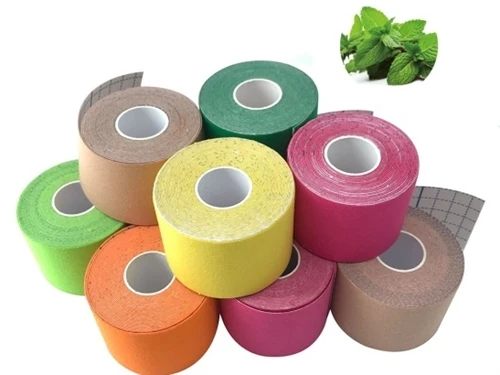
The mouth tape we are focusing on is made from cotton, is available in multiple colors, and features an H-shaped design. Each of these elements plays a key role in the product's functionality and comfort.
1. Cotton Material
Cotton is a natural, breathable material, making it an ideal choice for mouth tape. Unlike synthetic materials, cotton is soft on the skin, hypoallergenic, and allows for a comfortable experience throughout the night. Many users prefer cotton-based mouth tape because it minimizes irritation, which is essential for maintaining comfort during sleep. Furthermore, cotton is absorbent, which helps manage any moisture build-up around the mouth, reducing the chance of discomfort caused by excessive saliva or sweat.
2. Multi-Color Options
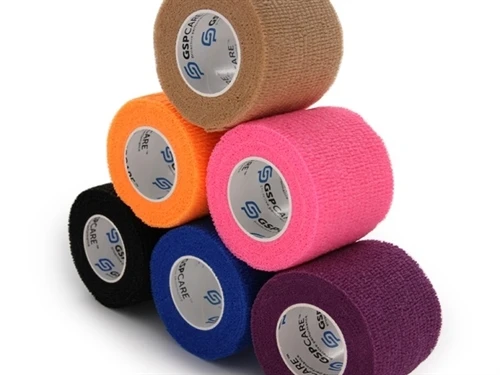
While color may not seem like a crucial factor in choosing a mouth tape, the availability of multi-color options allows for a more personalized and visually appealing experience. For users who are particular about aesthetics or those who might feel self-conscious about using tape while sleeping, having a variety of colors to choose from can make the practice more enjoyable and approachable. This minor detail can also be helpful for children or teenagers who may be reluctant to try mouth taping, as the colorful options could make it feel more like a fun accessory than a medical product.
3. H-Shaped Design
The H-shape is perhaps the most innovative feature of this particular mouth tape. This design offers a more secure fit by providing coverage in key areas around the mouth while leaving space for comfort. Unlike traditional rectangular strips of tape, the H-shape accommodates facial movements better, allowing for slight lip adjustments without compromising the seal. The central opening of the H-shape also makes it easier to talk or drink water before fully adhering the tape to the lips, adding convenience to its use.
The H-shape also helps reduce the feeling of constriction, making the tape less noticeable during sleep. The design is particularly useful for those who are new to mouth taping and may be uncomfortable with a full strip of tape covering their lips.

Benefits of Using Mouth Tape
Using mouth tape for sleeping can bring numerous benefits, including:
1. Better Oxygen Intake
Nasal breathing allows for better filtration and humidification of the air before it enters the lungs, which can result in a more efficient oxygen exchange. Mouth breathing bypasses this natural filter, often leading to dry airways and less efficient oxygen uptake.
2. Reduction in Snoring
For many individuals, snoring is a result of mouth breathing, especially when the jaw relaxes during sleep. By taping the mouth shut, the air is forced to flow through the nose, reducing the likelihood of noisy mouth snoring.
3. Prevention of Dry Mouth and Sore Throat
Mouth breathing can lead to a dry mouth and throat, causing discomfort and even long-term dental issues. By promoting nasal breathing, mouth tape helps keep the mouth moist and prevents the irritation that comes with a dry throat.
4. Improved Sleep Quality
Since mouth taping encourages better oxygen intake and reduces disturbances like snoring, many users report a significant improvement in sleep quality. The deeper, more restful sleep that comes with nasal breathing can lead to better overall health and well-being.
5. Support for Sleep Apnea
While mouth tape alone is not a cure for sleep apnea, it can be used as a complementary tool to help manage symptoms in mild cases. Nasal breathing promotes better airflow and can support other treatments such as CPAP machines by ensuring that the air is properly filtered through the nose.
Tips for Using Mouth Tape
If you're new to using mouth tape for sleeping, here are a few tips to help you get started:
Start Gradually: Begin by using mouth tape for short naps or during periods when you can monitor your comfort level.
Test for Allergies: If you have sensitive skin, make sure to test a small patch of tape on your skin before applying it overnight to ensure there is no irritation or allergic reaction.
Choose the Right Tape: Not all mouth tapes are created equal. Look for products made from soft, breathable materials like cotton to ensure comfort throughout the night.
Stay Consistent: For the best results, try to use mouth tape consistently for several nights to allow your body to adjust to nasal breathing.
Conclusion
Mouth tape is a simple yet effective tool for improving sleep quality, reducing snoring, and promoting healthier breathing habits. The cotton-based, multi-colored, H-shaped mouth tape offers a comfortable and user-friendly option for individuals looking to make the switch from mouth breathing to nasal breathing. By gently encouraging nasal breathing, mouth tape for sleeping can lead to a variety of health benefits, including better oxygen intake, reduced snoring, and prevention of dry mouth.
If you struggle with poor sleep quality or snoring, mouth tape might be worth considering as part of your nightly routine. With the right design and material, such as the H-shaped cotton tape, you can experience a significant improvement in how you feel each morning, leading to better overall health and well-being.